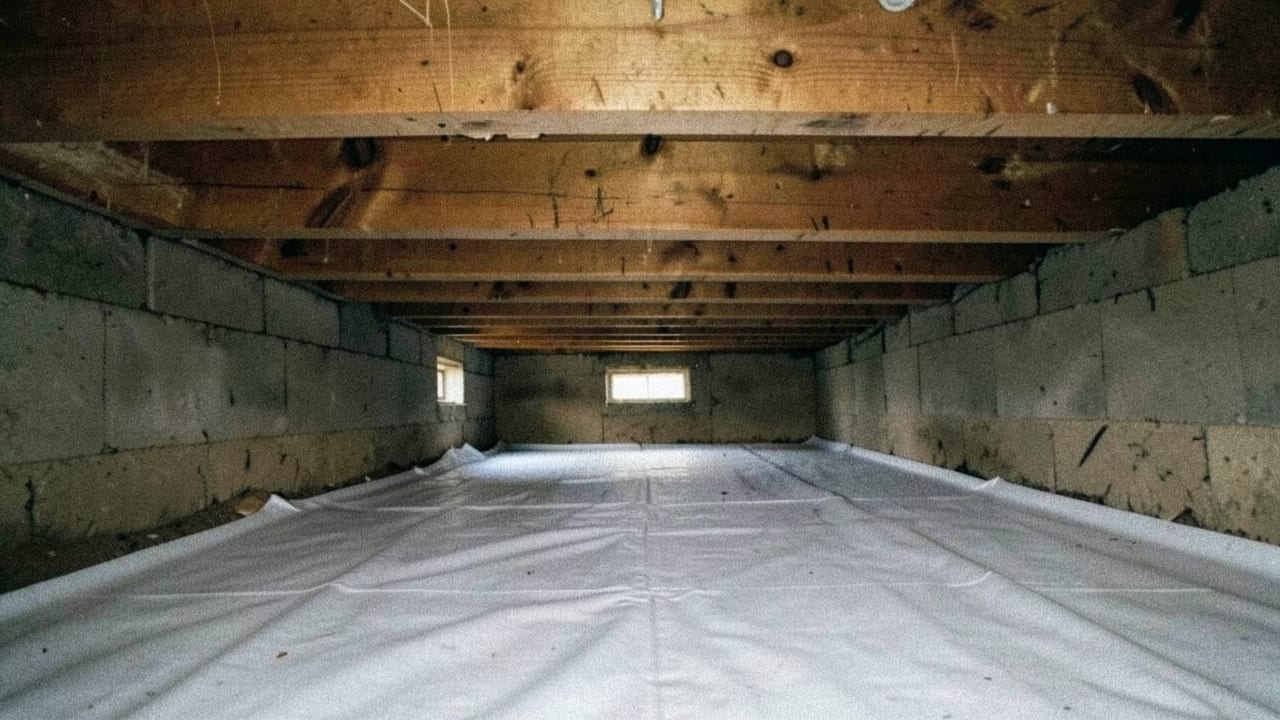
Crawl Space & Basement Mold Remediation
Crawl space and basement mold remediation in Cumming, GA addresses the two areas of a property most prone to trapped, unnoticed moisture.
In Cumming, GA, crawl spaces and basements are prime spots for hidden mold growth due to ground moisture, poor airflow, and infrequent checks. Our mold remediation services address both the visible growth and the underlying moisture sources to prevent recurrence.
Why Mold Thrives in Crawl Spaces & Basements
Crawl spaces and basements are the most vulnerable areas for mold because they sit close to ground moisture, receive less airflow, and are rarely inspected compared to living spaces. A dirt-floor crawl space allows moisture to evaporate directly into the home’s substructure, while unfinished basements with stone or block foundations wick groundwater through the walls.
We also handle Clinic Mold Remediation and Hotel Mold Remediation for Cumming properties.
Without intervention, these spaces create a persistent, low-level moisture source that fosters mold growth. Unlike kitchens or bathrooms, these areas often go unnoticed until the problem becomes severe.
Signs Your Crawl Space or Basement May Have Mold
- Musty odors coming from below the house or in lower levels
- Visible black, green, or white growth on joists, insulation, or foundation walls
- Increased humidity or condensation on surfaces in these areas
- Allergy-like symptoms (e.g., sneezing, itching) that worsen at home
- Peeling paint or warped wood in the basement
Permanent Solutions Start with Moisture Control
Remediating mold without addressing the moisture source often leads to recurrence. Installing a vapor barrier across a crawl space floor—or opting for full encapsulation with a wall-to-wall liner—blocks ground-moisture evaporation at its origin. In basements, sealing foundation walls and improving drainage can achieve similar results.
These measures are typically more effective long-term than treating growth alone. A dehumidifier or controlled ventilation may be added to maintain optimal humidity levels, especially in encapsulated spaces.
| Factor | Impact on Pricing |
|---|---|
| Square footage of affected area | Larger spaces require more materials and labor |
| Access difficulty (e.g., low crawl space clearance) | Increases time and equipment needs |
| Encapsulation included | Adds cost but provides long-term moisture control |
| Severity of mold growth | Extensive damage may require more removal/repair |
| HEPA filtration and containment needs | Standard for confined spaces, included in quote |
How Crawl Space & Basement Mold Remediation Works
Our process follows industry best practices, adapted for confined spaces.
- 1Inspection & Moisture Assessment
We evaluate the extent of mold growth and identify moisture sources using tools like moisture meters and thermal imaging. This determines the scope of remediation and whether encapsulation is needed.
- 2Containment & Air Filtration
The affected area is isolated with plastic sheeting, and HEPA air scrubbers are used to capture mold spores during removal. Negative air pressure prevents spores from spreading to other parts of the home.
- 3Removal of Contaminated Materials
Damaged insulation, drywall, or framing is safely removed and disposed of according to local regulations. Non-porous surfaces are cleaned with antimicrobial solutions.
- 4Moisture Control & Prevention
We install vapor barriers, seal foundation walls, or recommend dehumidifiers to address the root cause. Full encapsulation may be performed for long-term protection.
- 5Final Clearance Testing
A post-remediation inspection and air quality test confirm the mold has been successfully removed and moisture levels are under control.
Frequently Asked Questions
How do I know if my crawl space needs mold remediation?
Look for musty odors, visible mold growth, or signs of moisture like condensation or water stains. A professional inspection can confirm the presence of mold and its extent.
Is encapsulation necessary, or can I just remove the mold?
Removing mold without addressing moisture will likely lead to regrowth. Encapsulation or a vapor barrier is often recommended to prevent future issues, especially in crawl spaces with dirt floors.
How long does crawl space or basement mold remediation take?
Most projects take 1-3 days, depending on the size of the area, severity of mold, and whether encapsulation is included. Larger or more complex jobs may take longer.
Will my home insurance cover mold remediation?
Coverage varies by policy. Many standard policies exclude mold unless it’s a result of a covered peril (e.g., a burst pipe). Check with your insurer for details.
See Rest Haven, GA for more, or explore the rest of our Cumming lineup from start to finish for our complete lineup.
Ready to get started?
Talk to a local mold remediation pro in Cumming — get a written quote.
Other Mold Remediation Services in Cumming

Clinic Mold Remediation in Cumming, GA
Professional mold removal and remediation to restore safe, healthy indoor spaces.
Learn More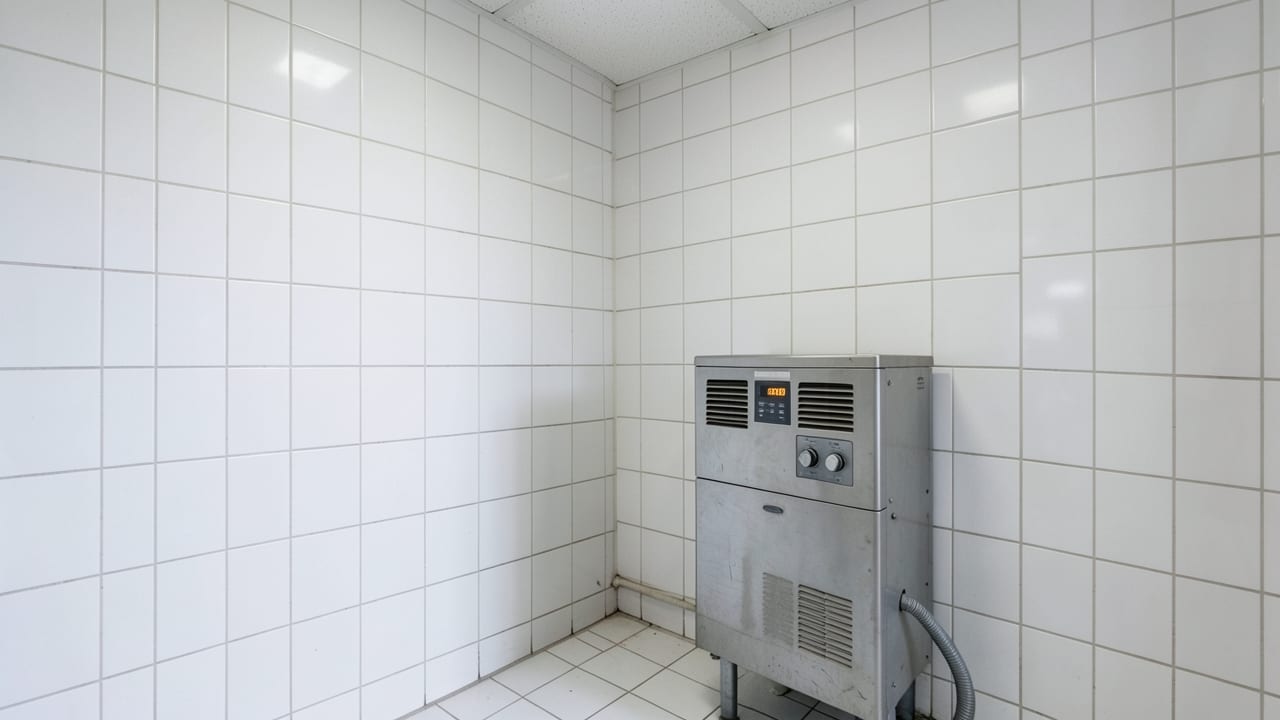
Hotel Mold Remediation in Cumming, GA
Professional removal and treatment of mold growth in hotel properties to restore safe, clean environments.
Learn More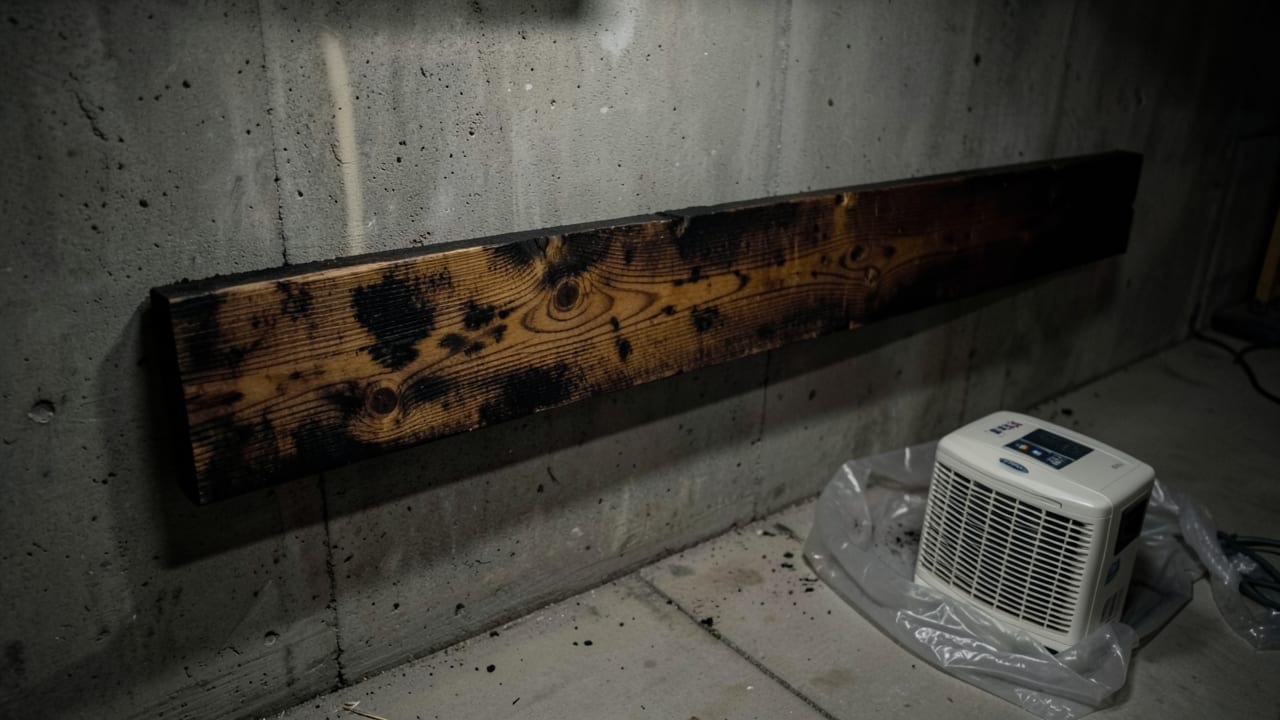
Fire Smoke Mold Remediation in Cumming, GA
Professional cleanup and restoration of fire, smoke, and mold damage in homes.
Learn More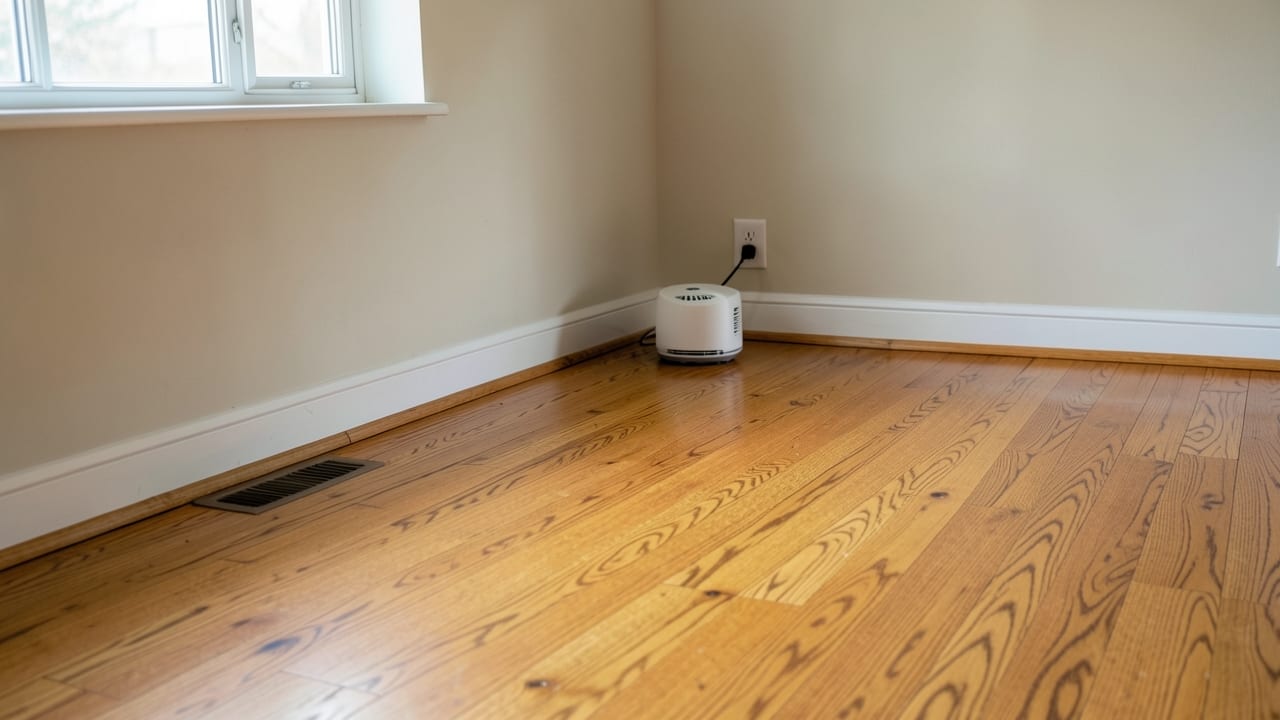
Pet Urine Mold Treatment in Cumming, GA
Professional removal of mold caused by pet urine in homes, including assessment and treatment.
Learn More
Pest Infestation Mold Remediation in Cumming, GA
Professional mold removal and remediation for pest-related infestations in homes.
Learn More
Pre-Winter Mold Prevention in Cumming, GA
Pre-winter mold prevention involves inspection and treatment to stop mold growth before cold weather.
Learn MoreCommon Questions About Mold Remediation in Cumming
Everything you need to know about mold remediation services in Cumming
How much does Crawl Space & Basement Mold Remediation typically cost in Cumming, GA?
Why does Cumming, GA's humidity make mold a bigger risk than in drier regions?
Does mold mean the same thing as mildew?
Does homeowners insurance typically cover mold remediation?
Is black mold actually more dangerous than other mold types?
How long does a typical mold remediation job take?
Need Mold Remediation in Cumming?
Connect with local providers in Cumming for a detailed quote.
⏰ We answer your call • Serving all of Cumming and surrounding areas