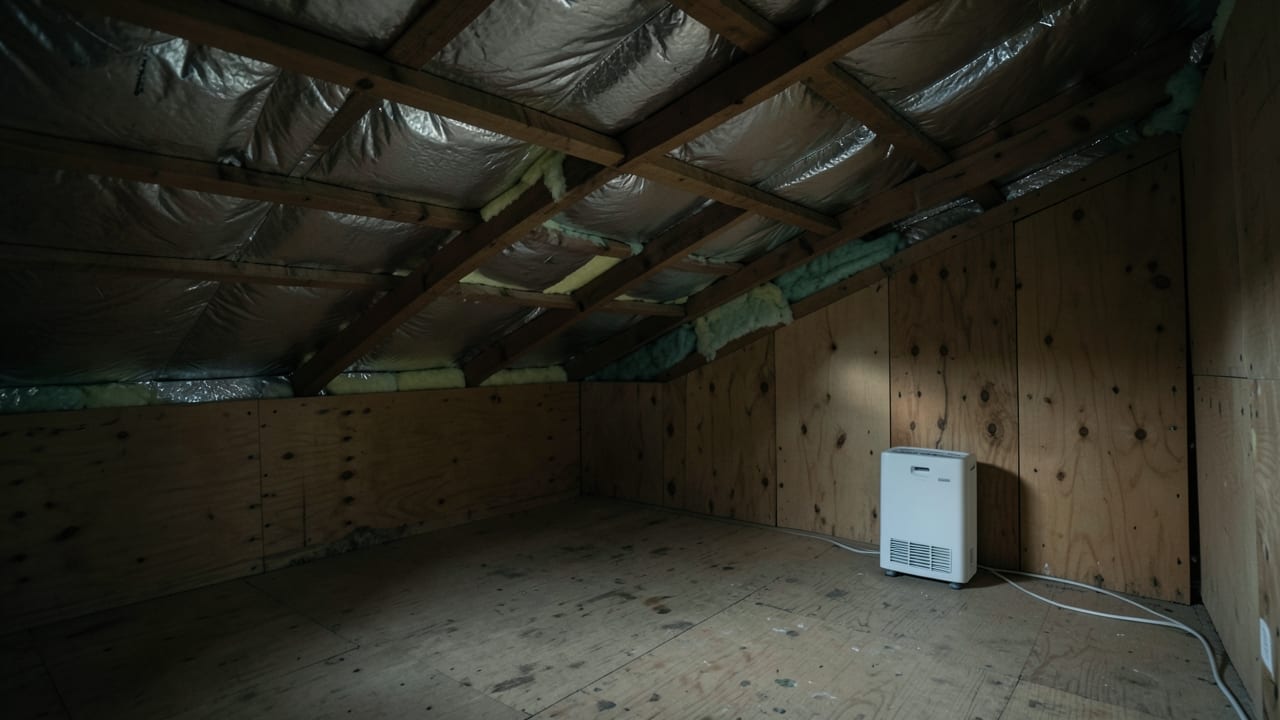
Pre-Winter Mold Prevention
Pre-winter mold prevention involves inspection and treatment to stop mold growth before cold weather.
As temperatures drop in Cumming, GA, moisture trapped in attics, basements, and crawl spaces can fuel mold growth before winter sets in. Pre-winter mold prevention focuses on sealing leaks, improving airflow, and applying targeted treatments to vulnerable areas before hidden dampness becomes a larger problem.
This proactive approach helps protect your home’s structure and indoor air quality before colder weather locks in humidity.
We also handle Sunroom Mold Remediation and Pantry Mold Treatment for Cumming properties.
When to act: signs mold prevention is needed
Mold growth often starts small but spreads quickly in damp, poorly ventilated spaces. Look for visible patches larger than a few square feet, recurring mold in the same spot after cleaning, or a musty odor with no visible source.
These are clear indicators that moisture levels are too high and that preventive measures should be taken before winter traps humidity inside your home.
Hidden growth—behind walls, under flooring, or inside HVAC ducts—can also signal a deeper issue. If the smell worsens when your heating system turns on, spores may be circulating through your entire home. Addressing these signs early with professional prevention helps avoid costly remediation later.
Red Flags for Pre-Winter Mold Prevention
- Mold covering more than a small, isolated patch (typically over 25 square feet, the threshold where DIY cleanup becomes less effective).
- Recurring mold growth in the same location after cleaning, suggesting the moisture source hasn’t been addressed.
- A musty smell with no visible mold, often indicating hidden growth in walls, crawl spaces, or ductwork.
- Condensation or water stains on ceilings, walls, or floors, especially in basements, attics, or bathrooms.
- Poor airflow in enclosed spaces like closets, windowless bathrooms, or corners of basements, where stagnant air traps moisture.
What affects cost and timing?
The scope of pre-winter mold prevention varies depending on the size of the affected area, the type of materials involved, and whether hidden moisture sources need to be fixed.
For example, sealing leaks in an attic may require less time than addressing water damage in a basement, which could involve structural drying and material replacement.
Timing also depends on accessibility—crawl spaces or areas behind appliances may take longer to inspect and treat. Professional crews prioritize containment and clearance testing, which adds to the overall duration but ensures the work is thorough and safe for your family.
Prevention vs. remediation: key differences
Pre-winter mold prevention focuses on stopping growth before it starts, while remediation addresses active mold that’s already spread. Prevention includes sealing leaks, improving ventilation, and treating surfaces to resist moisture, whereas remediation involves containment, removal of contaminated materials, and structural drying.
Skipping the moisture source fix during remediation is the most common reason mold returns within months. Prevention aims to eliminate those sources upfront, reducing the risk of regrowth during colder months when humidity is trapped indoors.
Using non-HEPA vacuums or air scrubbers recirculates spores instead of capturing them, worsening contamination. Skipping containment lets spores spread to unaffected areas, turning a small job into a larger one. Fixing only the visible mold without addressing leaks or poor airflow leaves the problem unresolved.
How pre-winter mold prevention works
- 1Inspection and Moisture Source Identification
A professional assesses areas prone to dampness—attics, basements, and crawl spaces—to pinpoint leaks, poor ventilation, or grading issues that trap moisture. This step ensures the root cause is addressed before treatments are applied.
- 2Containment Setup
Plastic sheeting and negative-air machines seal off the work area to prevent spores from spreading to other parts of the home during treatment. This step is critical for keeping contamination localized.
- 3Surface Treatment and Material Replacement
Non-porous surfaces like tile or framing are cleaned and treated, while porous materials like drywall or insulation that absorb mold are removed and replaced to prevent regrowth.
- 4Structural Drying and Ventilation Improvement
Industrial dehumidifiers and air movers dry framing and subfloors to safe moisture levels. Improving airflow with fans or dehumidifiers in persistently damp rooms helps maintain dry conditions.
- 5Clearance Testing
An independent lab tests air or surfaces post-treatment to confirm spore levels are back to normal before containment is removed. This step verifies the work’s effectiveness.
Frequently asked questions
How do I know if my mold issue is serious enough to need professional prevention?
If mold covers more than 25 square feet, keeps returning after cleaning, or you notice a musty smell with no visible source, professional intervention is recommended. These signs often indicate hidden moisture or extensive growth that DIY methods can’t fully resolve.
Will pre-winter prevention stop mold from coming back after treatment?
Prevention reduces the risk of regrowth by fixing moisture sources and improving ventilation, but results depend on maintaining dry conditions long-term. Checking humidity levels in treated areas periodically helps catch early signs of recurrence.
Do I need to be home during the mold prevention process?
You don’t need to stay on-site, but it’s helpful to provide access to areas like attics or crawl spaces. The crew will contain the work area to minimize disruption, and clearance testing ensures safety before the space is reopened.
What should I do if I find mold in my HVAC ducts?
Ductwork mold often spreads spores throughout your home when the system runs. Professional prevention includes inspecting and treating ducts, but fixing the moisture source—like a leak or condensation issue—is essential to prevent recurrence.
Where Cumming sits, and what the Census lists nearby
Cumming sits in Georgia, and the closest places listed in the U.S. Census Gazetteer are Sugar Hill (10.1 miles southeast), Buford (10.3 miles southeast), Rest Haven (10.3 miles southeast), Milton (11.2 miles west). Within 25 miles of Cumming the same source lists 38 distinct incorporated places and census-designated places.
Those figures matter for pre-winter mold prevention because they are straight-line distances between Census coordinate points: road mileage between Cumming and Sugar Hill runs longer than the 10.1 miles shown, which is why quotes for the same job differ between towns that look close together on a map.
Source: U.S. Census Bureau Gazetteer.
See Johns Creek, GA for more, or take a look at the rest of our Cumming lineup for our complete lineup.
Ready to get started?
Talk to a local mold remediation pro in Cumming — get a written quote.
Other Mold Remediation Services in Cumming
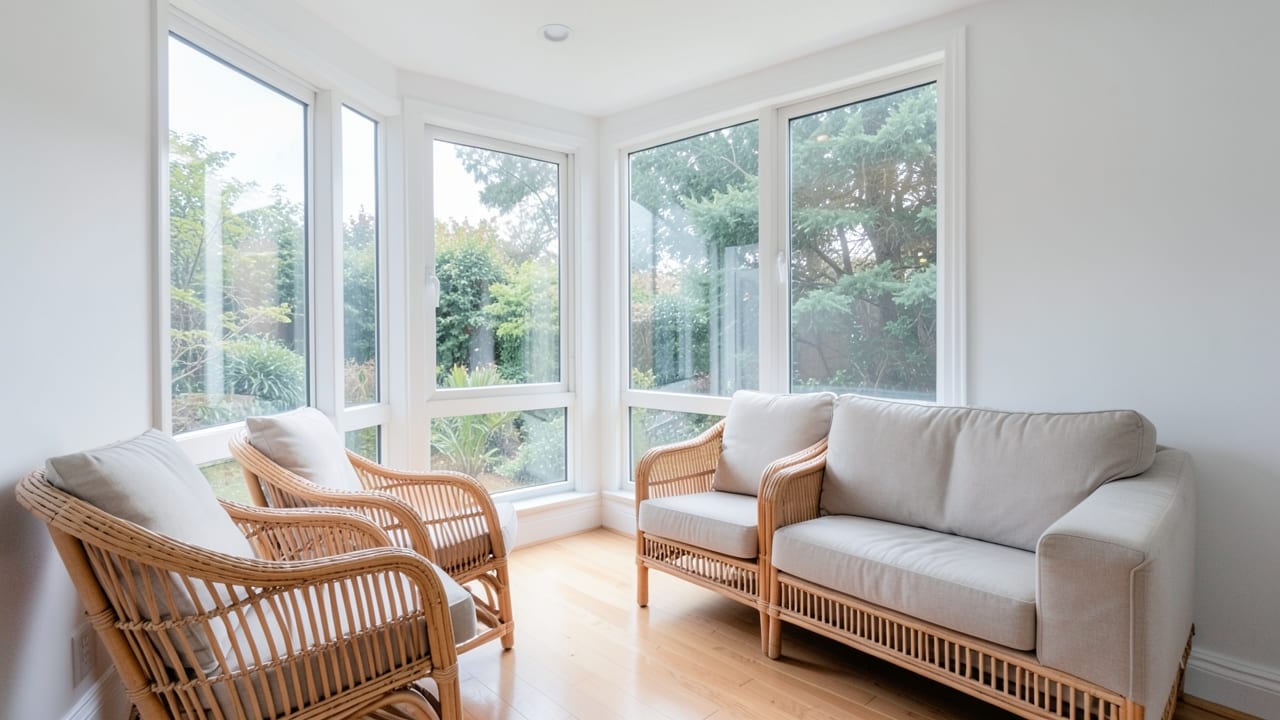
Sunroom Mold Remediation in Cumming, GA
Professional removal and treatment of mold in sunrooms to restore a safe, clean space.
Learn More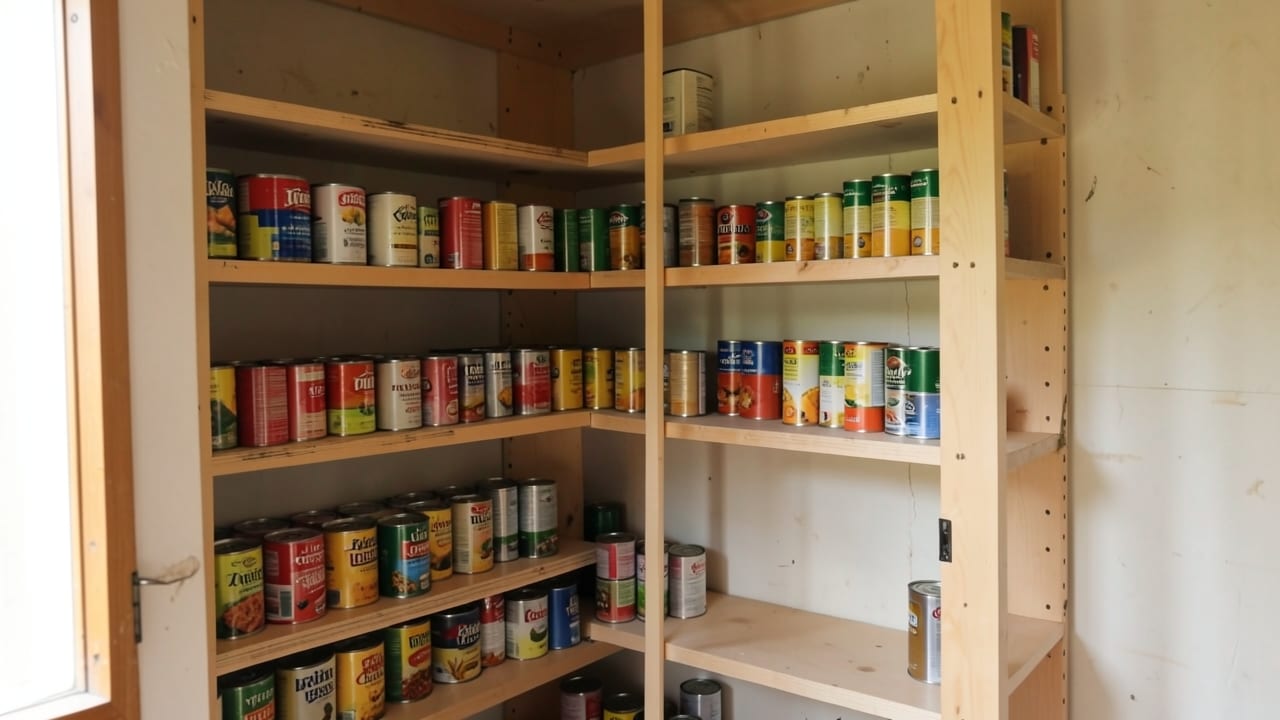
Pantry Mold Treatment in Cumming, GA
Professional assessment and removal of mold in pantry areas to restore a safe, clean space.
Learn More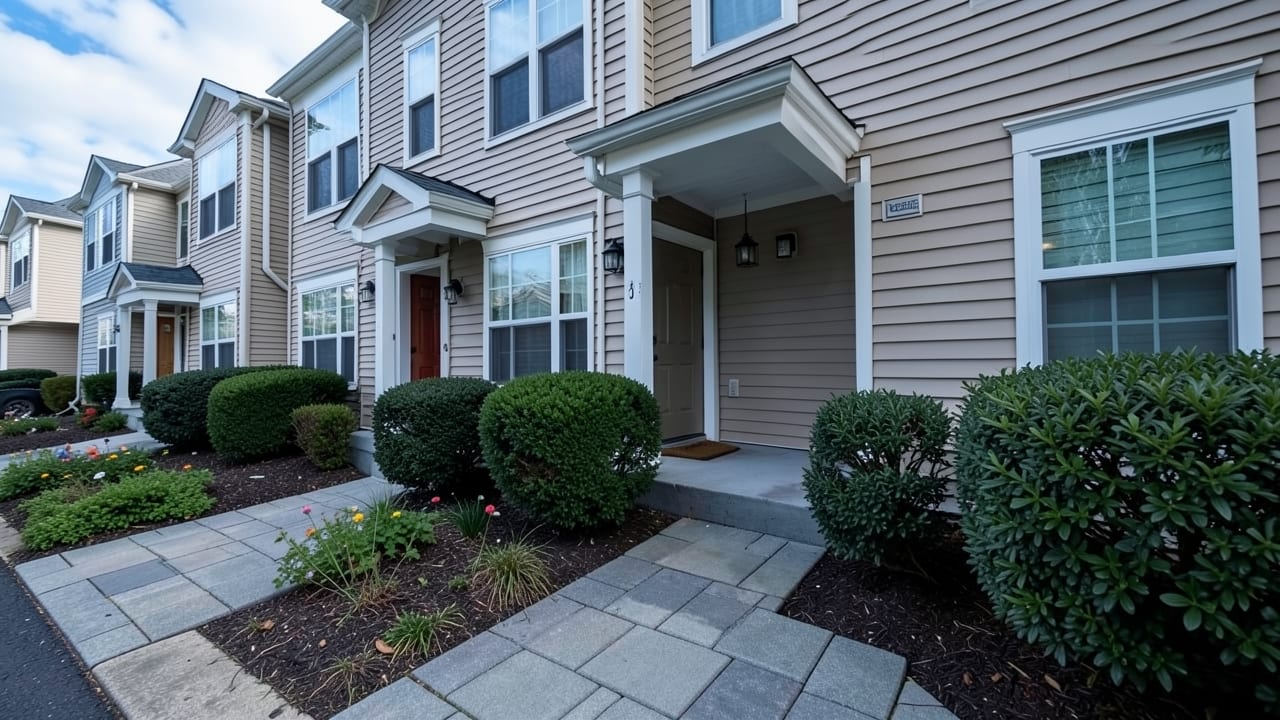
HOA Mold Remediation in Cumming, GA
Professional mold removal and remediation for HOA properties to restore safe, healthy living conditions.
Learn More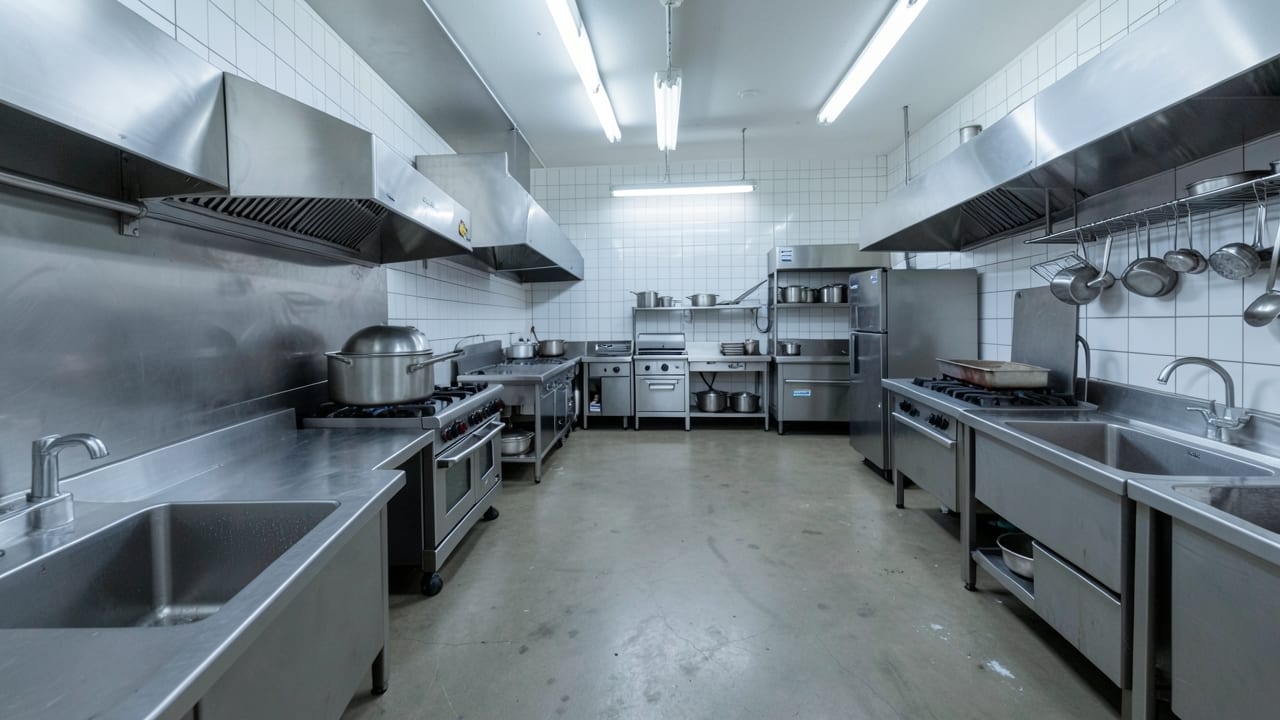
Restaurant Mold Remediation in Cumming, GA
Professional mold removal and remediation for restaurant spaces to ensure safety and compliance.
Learn More
Clinic Mold Remediation in Cumming, GA
Professional mold removal and remediation to restore safe, healthy indoor spaces.
Learn More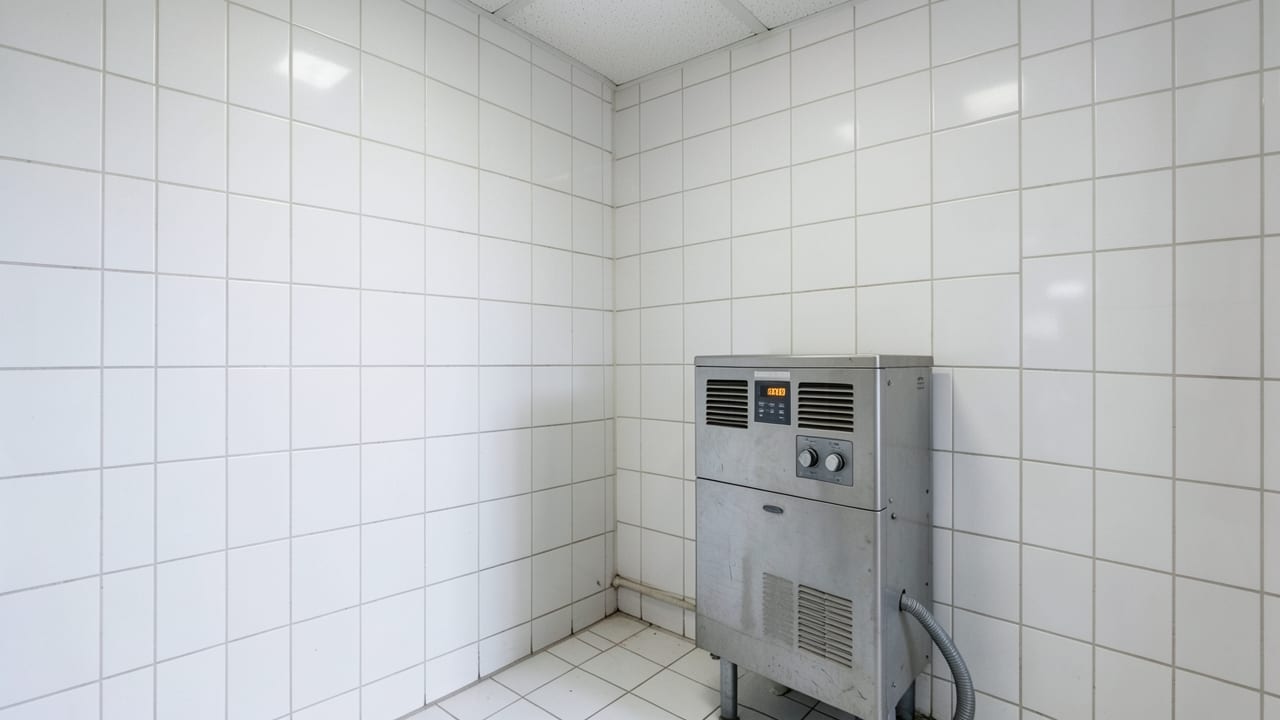
Hotel Mold Remediation in Cumming, GA
Professional removal and treatment of mold growth in hotel properties to restore safe, clean environments.
Learn MoreCommon Questions About Mold Remediation in Cumming
Everything you need to know about mold remediation services in Cumming
How much does Pre-Winter Mold Prevention typically cost in Cumming, GA?
Why does Cumming, GA's humidity make mold a bigger risk than in drier regions?
Is black mold actually more dangerous than other mold types?
How long does a typical mold remediation job take?
Is it safe to stay in the home during mold remediation?
Can small mold problems be handled without hiring anyone?
Need Mold Remediation in Cumming?
Connect with local providers in Cumming for a detailed quote.
⏰ We answer your call • Serving all of Cumming and surrounding areas