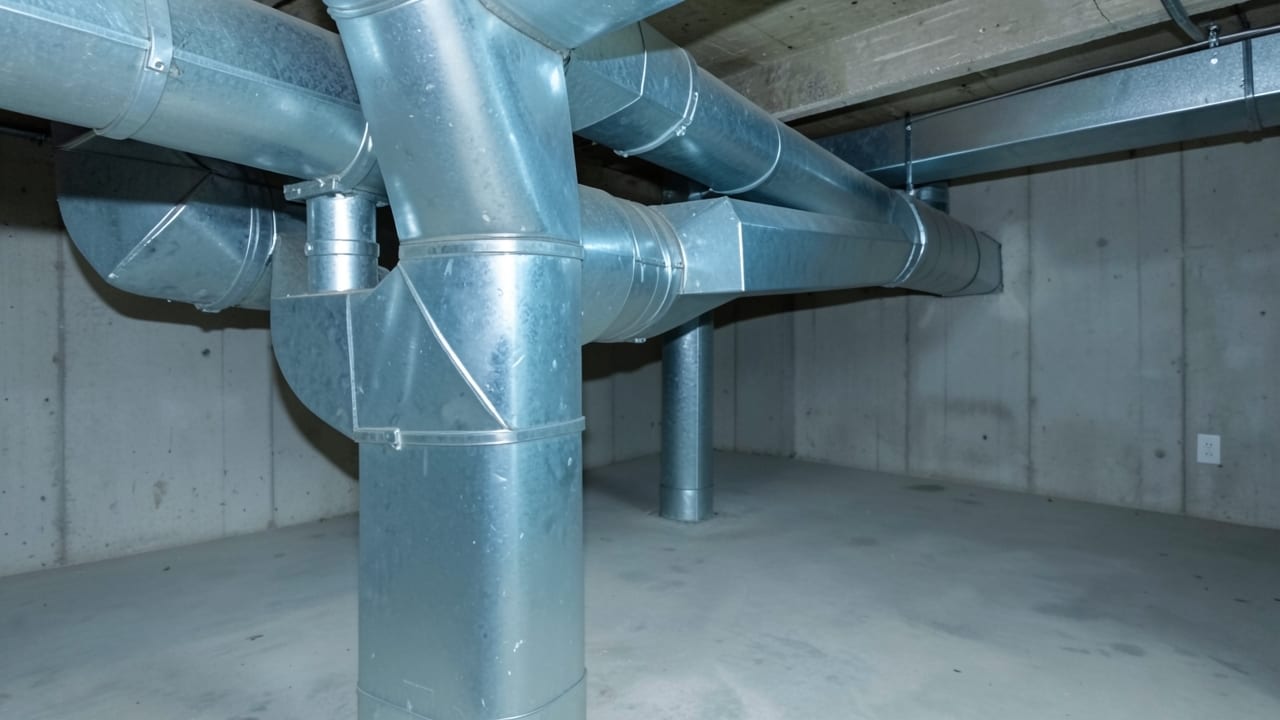
Metal Ductwork Mold Remediation
Professional removal of mold from metal ductwork to restore indoor air quality.
Metal ductwork mold remediation in Cumming, GA targets hidden mold growth inside HVAC systems, where spores spread through air ducts and contaminate every room the system serves. Unlike surface mold, ductwork remediation requires professional containment, cleaning, and moisture control to prevent regrowth and ensure safe airflow for your home.
When metal ductwork mold remediation is needed
Mold in metal ductwork often goes unnoticed until you notice a musty smell that worsens when the HVAC runs, or visible mold appears in multiple rooms. Unlike surface mold, ductwork contamination spreads through the entire system, requiring professional intervention to stop its cycle.
We also handle Mold Testing & Air Quality Testing and Mold Removal & Remediation for Cumming properties.
Growth that keeps returning in the same spot or covers more than a small patch signals the need for remediation rather than DIY cleaning.
Hidden moisture sources—like leaks behind walls, condensation from poor ventilation, or grading issues outside—fuel ductwork mold. Without fixing these, mold will regrow even after remediation. Rooms that stay damp (closets, windowless bathrooms, basements) often need ongoing airflow or dehumidification to prevent recurrence.
Signs You Need Metal Ductwork Mold Remediation
- Musty smell that gets stronger when the HVAC is on (spores are circulating through ducts)
- Visible mold appearing in multiple rooms served by the same system
- Recurring mold in the same spot after cleaning (indicates an unfixed moisture source)
- Mold covering more than 25 square feet of surface area (beyond DIY-safe limits)
- Black mold (Stachybotrys chartarum) confirmed in ducts (requires professional treatment)
What affects cost and scope
Metal ductwork remediation costs depend on the size of the system, severity of contamination, and whether hidden mold is found during inspection. Confirmed black mold cases typically cost more due to stricter containment and disposal requirements.
Pricing also varies based on whether the job includes inspection, testing, and clearance verification—steps that are critical but sometimes billed separately.
Containment, HEPA filtration, and moisture control add time and cost but are essential to prevent cross-contamination. Skipping these steps can lead to higher expenses later if spores spread beyond the original area. Always confirm whether a quote includes all phases of work before comparing bids.
What to watch for in a remediation provider
Not all mold remediation follows the same standards. Proper work includes containment to prevent spores from spreading, HEPA filtration to capture airborne particles, and clearance testing to confirm the job is complete.
Avoid providers who rush inspections, skip testing, or pressure you to sign contracts during the initial visit—these are red flags for incomplete work.
Georgia does not require a state-specific mold remediation license, but reputable contractors follow industry standards (IICRC S520). Always ask for a written scope of work, third-party testing, and confirmation that moisture sources will be addressed—not just the visible mold.
| Red Flag | Why It Matters |
|---|---|
| Verbal estimate with no written scope | No way to compare bids or hold the provider accountable |
| Pressure to sign during inspection | Legitimate scopes take time to prepare |
| No mention of clearance testing | No independent proof the job worked |
| Full payment upfront | Removes leverage if work isn’t completed as promised |
How metal ductwork mold remediation works
- 1Containment Setup
Plastic sheeting and negative-air machines seal off the work area, trapping spores inside the containment zone and preventing them from spreading through the home’s air supply.
- 2Material Removal and Cleaning
Porous materials (insulation, carpet padding) that absorb mold are cut out and disposed of, while non-porous surfaces (ducts, framing) are scrubbed and treated with antimicrobial solutions.
- 3HEPA Filtration and Drying
HEPA air scrubbers run continuously to capture airborne spores, and industrial dehumidifiers dry structural materials to prevent regrowth before containment is removed.
- 4Clearance Testing
An independent third-party test confirms spore levels are back to normal before the area is considered finished. This step ensures the remediation was effective.
Frequently asked questions
Can I clean mold out of my ducts myself?
DIY cleaning may remove surface mold, but spores deep in ductwork or hidden moisture sources will regrow. Professional remediation includes containment, HEPA filtration, and moisture control to prevent spread and recurrence.
How long does metal ductwork mold remediation take?
Most jobs take 1–3 days, depending on the system size, contamination level, and whether hidden mold is found. Containment, drying, and clearance testing add time but are critical for long-term results.
Will my insurance cover ductwork mold remediation?
Some policies cover mold damage if caused by a covered peril (like a leak), but ductwork-specific claims often require proof of hidden contamination. Check your policy or consult your agent before filing.
How do I keep mold from coming back after remediation?
Fixing the moisture source (leaks, poor ventilation, grading issues) is the best prevention. Use dehumidifiers in damp rooms and monitor humidity levels for the first year to catch early regrowth.
Where Cumming sits, and what the Census lists nearby
Cumming sits in Georgia, and the closest places listed in the U.S. Census Gazetteer are Sugar Hill (10.1 miles southeast), Buford (10.3 miles southeast), Rest Haven (10.3 miles southeast), Milton (11.2 miles west). Within 25 miles of Cumming the same source lists 38 distinct incorporated places and census-designated places.
Those figures matter for metal ductwork mold remediation because they are straight-line distances between Census coordinate points: road mileage between Cumming and Sugar Hill runs longer than the 10.1 miles shown, which is why quotes for the same job differ between towns that look close together on a map.
Source: U.S. Census Bureau Gazetteer.
See Holly Springs, GA for more, or see every option available in Cumming for our complete lineup.
Ready to get started?
Talk to a local mold remediation pro in Cumming — get a written quote.
Other Mold Remediation Services in Cumming

Mold Testing & Air Quality Testing in Cumming, GA
Mold and indoor air quality testing in Cumming, GA — lab-analyzed air and surface samples confirm what's actually growing and whether it's airborne.
Learn More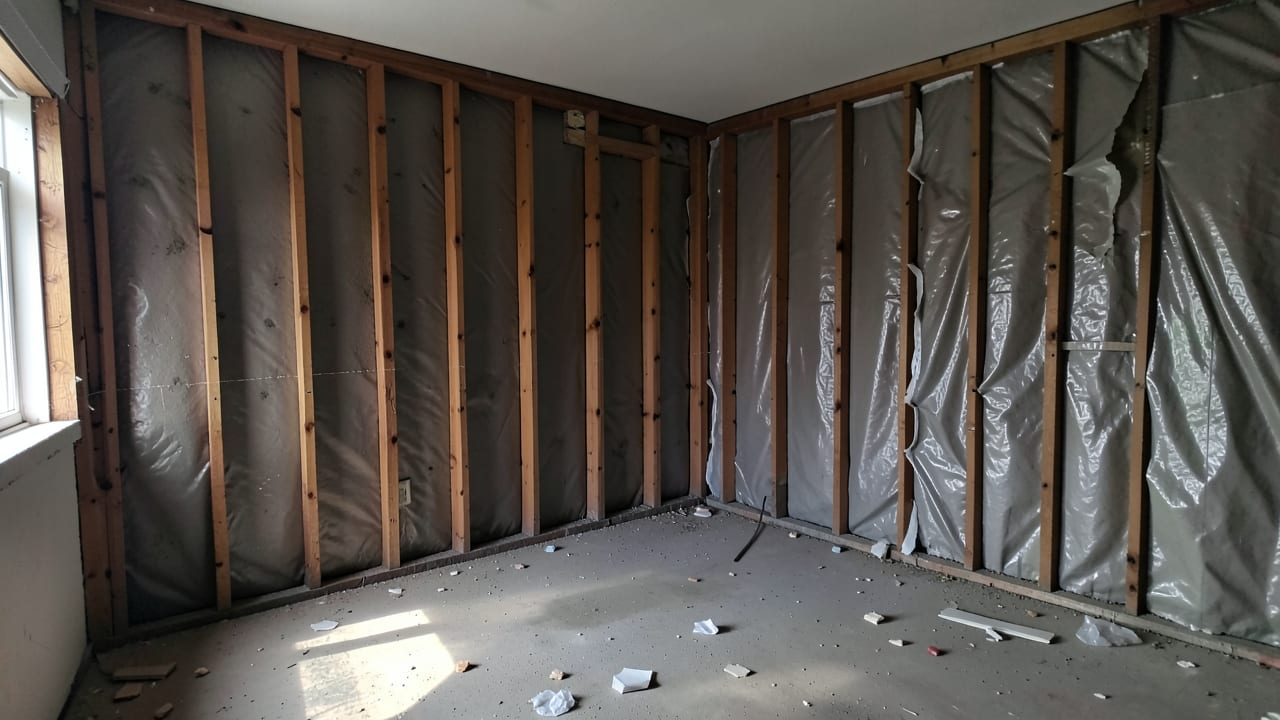
Mold Removal & Remediation in Cumming, GA
Mold removal and remediation in Cumming, GA — containment, HEPA filtration, and removal of affected material following industry (IICRC S520) protocol.
Learn More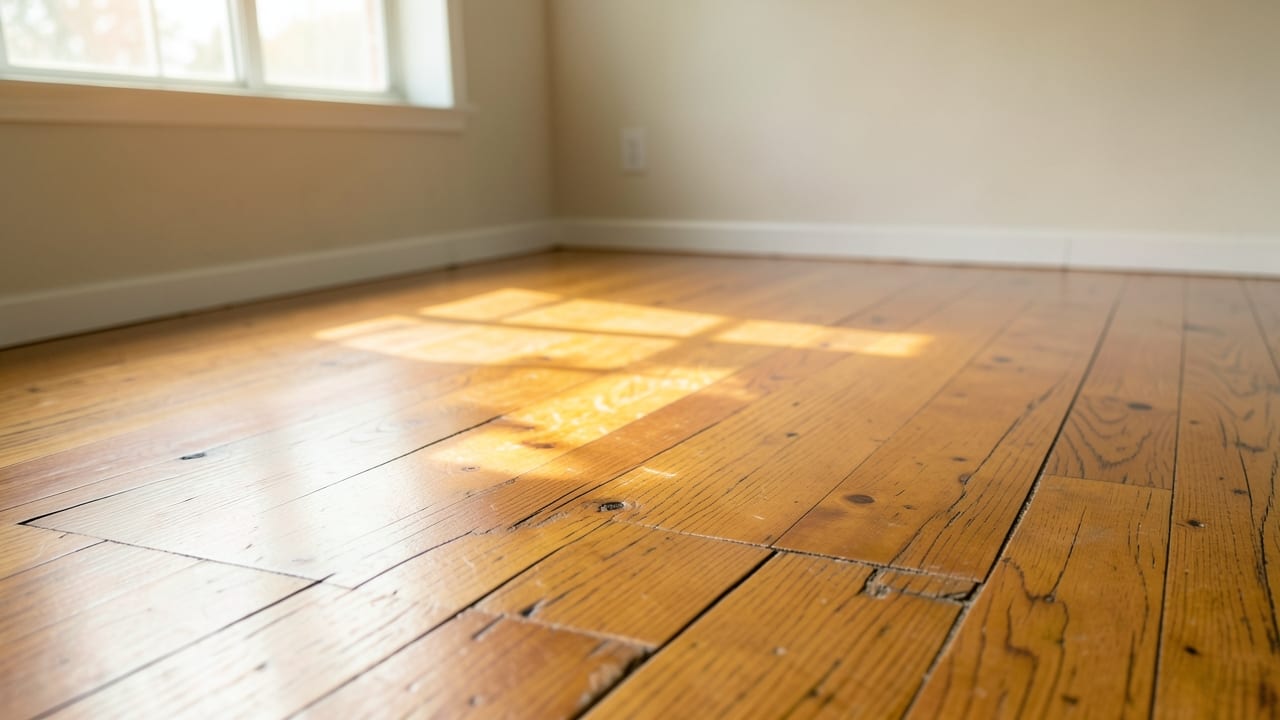
Water Damage Restoration in Cumming, GA
Water damage restoration in Cumming, GA — extraction and structural drying to stop mold growth before it starts, following a leak, storm, or flood.
Learn More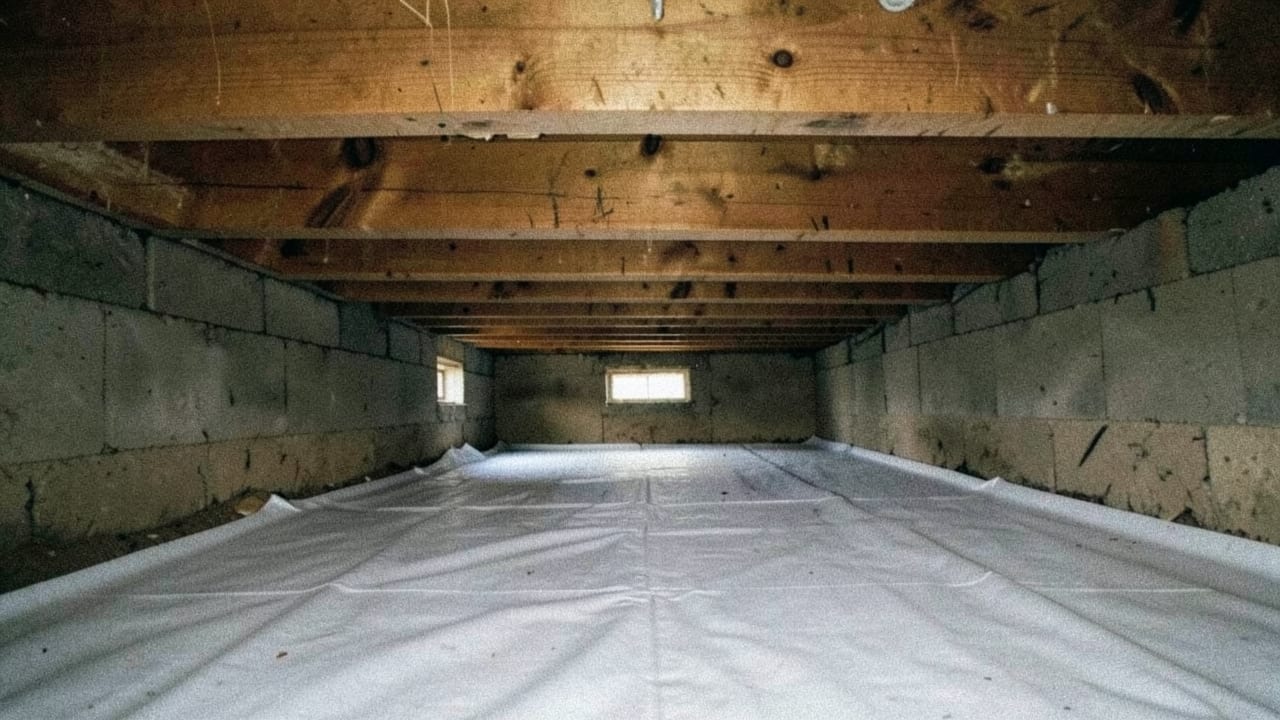
Crawl Space & Basement Mold Remediation in Cumming, GA
Crawl space and basement mold remediation in Cumming, GA addresses the two areas of a property most prone to trapped, unnoticed moisture.
Learn More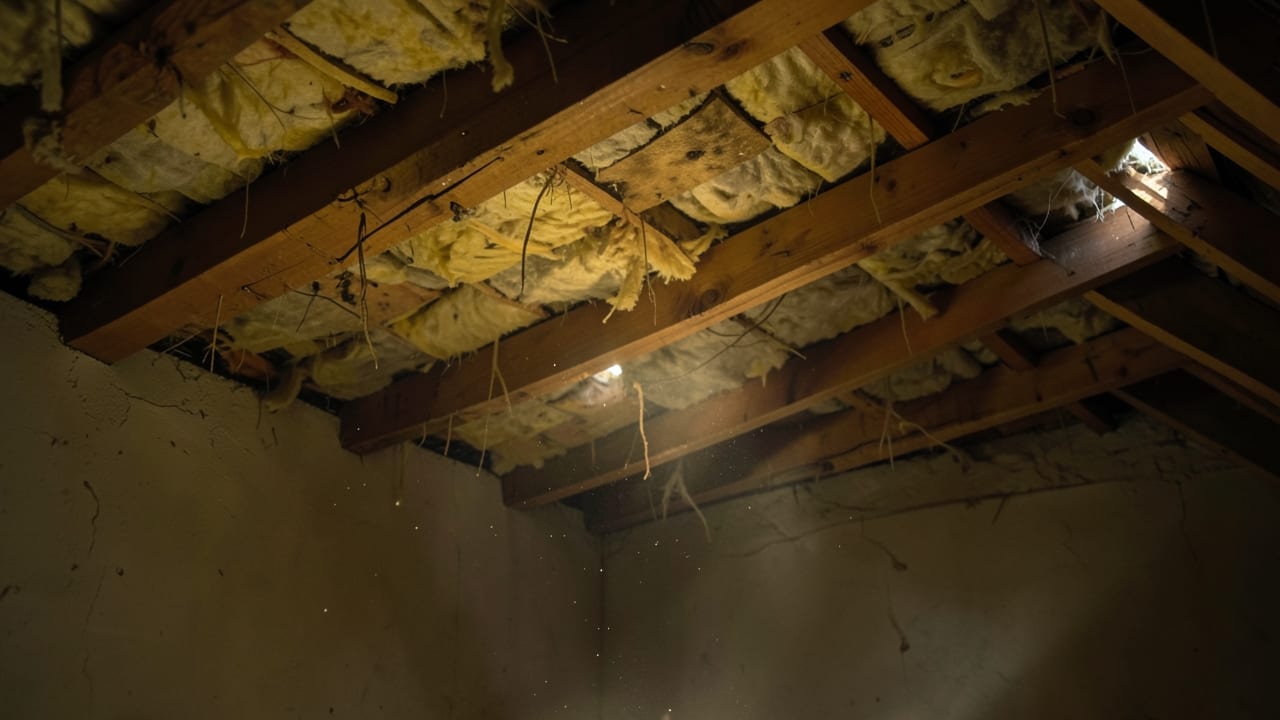
Attic Mold Remediation in Cumming, GA
Attic mold remediation in Cumming, GA addresses roof-deck growth typically caused by poor ventilation or a hidden roof leak.
Learn More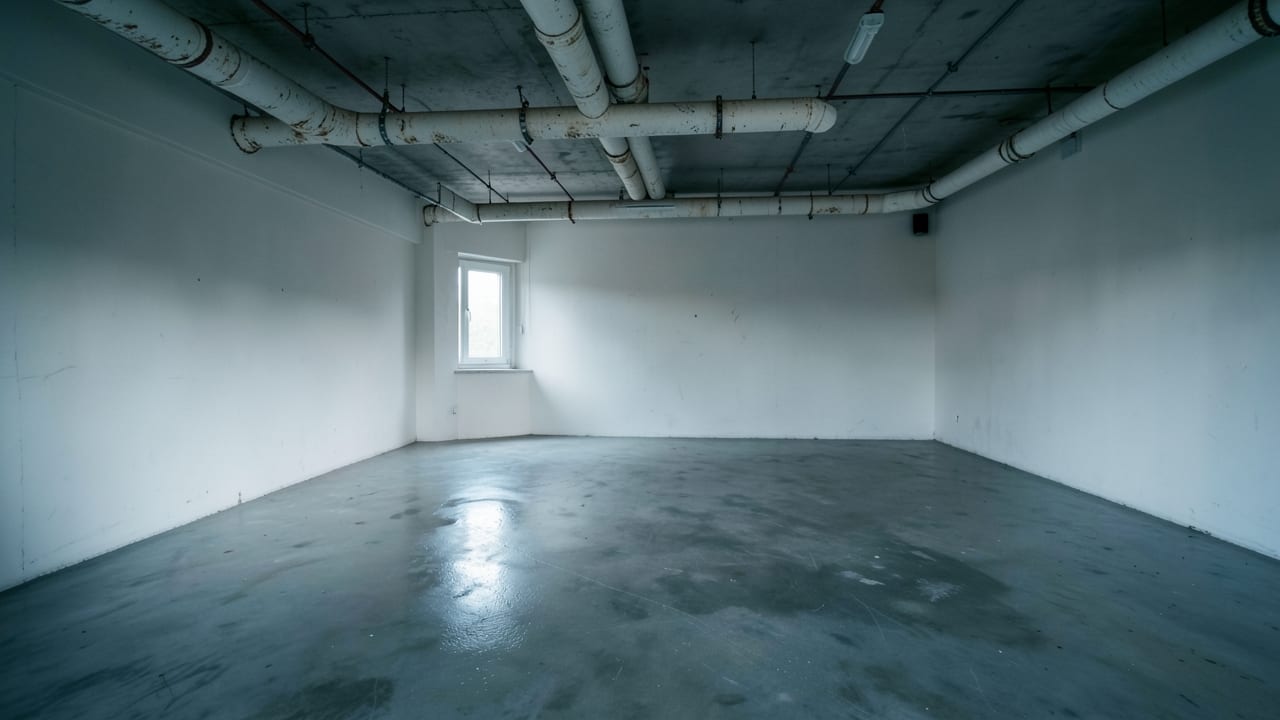
Commercial Mold Remediation in Cumming, GA
Commercial mold inspection and remediation in Cumming, GA for offices, retail space, and multi-unit properties, scheduled around business operations.
Learn MoreCommon Questions About Mold Remediation in Cumming
Everything you need to know about mold remediation services in Cumming
How much does Metal Ductwork Mold Remediation typically cost in Cumming, GA?
Why does Cumming, GA's humidity make mold a bigger risk than in drier regions?
Can mold growing inside HVAC ductwork spread to the rest of a home?
Does mold mean the same thing as mildew?
Does homeowners insurance typically cover mold remediation?
Is black mold actually more dangerous than other mold types?
Need Mold Remediation in Cumming?
Connect with local providers in Cumming for a detailed quote.
⏰ We answer your call • Serving all of Cumming and surrounding areas