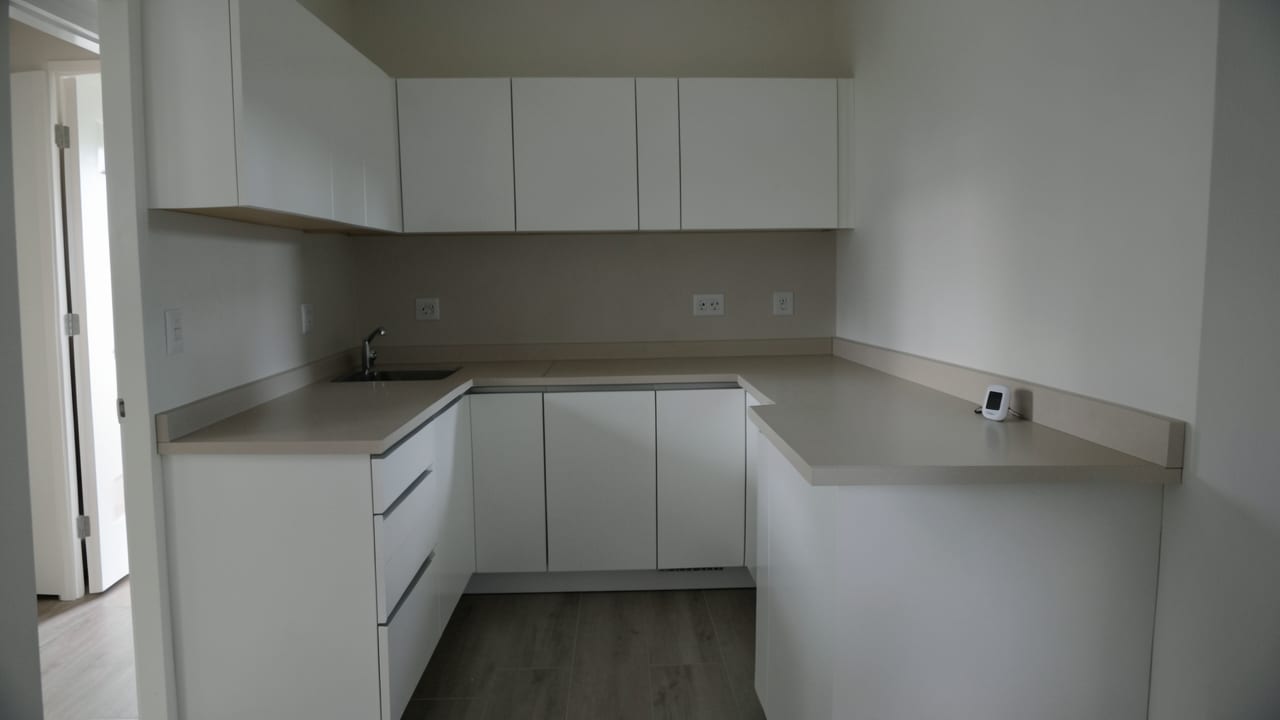
Move-In Mold Assessment
Professional inspection and assessment of mold presence before moving into a property.
A move-in mold assessment in Cumming, GA, helps you identify hidden or visible mold growth before you move into your new home. By examining walls, ceilings, basements, and HVAC systems, a trained inspector detects moisture issues and potential contamination, ensuring you understand the scope of any problems before occupancy.
Why you might need an assessment
Mold often goes unnoticed until it spreads, but certain signs indicate it’s time for a professional evaluation. A persistent musty or earthy smell in closets, bathrooms, or crawl spaces—especially one that doesn’t fade with ventilation—can signal hidden growth.
We also handle Pipe Leak Mold Removal and Apartment Mold Remediation for Cumming properties.
Visible mold, appearing as black, green, brown, or speckled stains on drywall, grout, or window frames, is another clear warning.
Even if no signs are visible, past leaks or floods that were only superficially cleaned may leave trapped moisture behind. Symptoms like sneezing, headaches, or itchy eyes that ease when you avoid a specific room should also prompt a closer look.
An assessment helps confirm whether these issues are mold-related and pinpoints the source of the moisture fueling the growth.
Signs a Move-In Assessment May Be Needed
- A lingering musty or earthy odor in a closet, bathroom, or crawl space that doesn’t disappear after airing out.
- Visible mold stains (black, green, brown, or speckled) on drywall, grout, window frames, or under carpets.
- A history of leaks or floods that were cleaned up but never professionally inspected for hidden moisture.
- Health symptoms (sneezing, headaches, itchy eyes) that improve when you’re not in a specific room.
- Condensation or dampness in basements, attics, or around windows, even in dry weather.
What the assessment includes
A move-in mold assessment goes beyond a visual inspection. After mapping the property and identifying affected areas, the inspector uses tools like moisture meters and thermal imaging to detect hidden dampness in walls, subfloors, and roof lines.
This step is critical because mold often thrives in concealed spaces where it’s not immediately visible.
Where the source of mold isn’t obvious, air and surface samples are collected from suspect areas and compared to a control sample from an unaffected room. These samples are sent to an independent, accredited lab for analysis, which typically takes 2–5 business days.
The lab identifies mold species and spore concentrations, providing a clear picture of what’s present.
| Step | Tool/Method | Purpose |
|---|---|---|
| Visual Inspection | Eyes, flashlight, moisture meter | Identify visible mold, staining, and musty odors in walls, ceilings, and basements. |
| Moisture Detection | Moisture meter, thermal imaging | Locate hidden dampness in cavities, subfloors, and roof lines. |
| Air Sampling | Spore-trap air samples | Measure mold spore levels in suspect areas compared to a clean control. |
| Surface Sampling | Swabs from affected surfaces | Test for mold presence on drywall, grout, and other materials. |
| Lab Analysis | Third-party accredited lab | Determine mold species and spore concentration for accurate results. |
| Moisture Source Diagnosis | Inspection of plumbing, roofing, grading | Trace water intrusion to its origin to prevent recurrence. |
What the report provides
The assessment concludes with a detailed written report outlining affected materials, the likely moisture source, and the square footage involved. This document is essential for planning remediation and serves as a legal requirement in states where the sequence of work is regulated.
Without it, contractors cannot accurately price the job or ensure compliance with local standards.
The report also clarifies whether the mold issue is isolated or widespread, helping you prioritize repairs and understand the scope of work needed. However, it’s important to note that the report does not replace remediation—it simply provides the data needed to address the problem effectively.
How a move-in mold assessment works
A thorough assessment follows a structured process to identify and document mold issues.
- 1Visual and Moisture Inspection
The inspector examines every room for visible mold, staining, and musty odors. Moisture meters and thermal imaging pinpoint hidden dampness in walls, ceilings, and subfloors, mapping affected areas before sampling.
- 2Air and Surface Sampling
Samples are collected from suspect areas and one unaffected room (as a control). Air samples use spore traps, while surface swabs test materials like drywall and grout. These are sent to an independent lab for unbiased analysis.
- 3Lab Analysis and Reporting
The lab identifies mold species and spore levels, comparing results to the control sample. Findings are compiled into a written report detailing affected materials, moisture sources, and square footage for remediation planning.
- 4Moisture Source Diagnosis
The inspector traces water intrusion to its origin—such as roof leaks, plumbing issues, or poor grading—to help prevent future mold growth. This step ensures the report addresses both the mold and its underlying cause.
- 5Written Scope Report
The final report documents the assessment’s findings, serving as a guide for contractors and a legal requirement in regulated states. It includes actionable details for addressing the issue.
Frequently asked questions
Can mold grow in my home even if I don’t see or smell it?
Yes. Mold often hides in wall cavities, under flooring, or inside HVAC systems, where it can grow undetected. A move-in assessment uses tools like moisture meters and thermal imaging to find these hidden areas, ensuring you address the full scope of the problem.
What happens if the lab finds mold in my home?
The lab report will detail the mold species and spore levels, along with the affected areas and likely moisture source. This information helps you decide whether remediation is needed and guides contractors in planning the work.
Do I need to be present during the assessment?
No, the inspector can complete the assessment without you being there. However, if you’re available, pointing out areas of concern—like past leaks or unusual smells—can help the inspector focus on high-priority spots.
What should I do if the assessment finds mold in my home?
The report will outline the affected areas and moisture source, which you can use to hire a remediation contractor. Addressing the moisture issue is critical to preventing mold from returning, and the report provides the details needed to plan the work.
Where Cumming sits, and what the Census lists nearby
Cumming sits in Georgia, and the closest places listed in the U.S. Census Gazetteer are Sugar Hill (10.1 miles southeast), Buford (10.3 miles southeast), Rest Haven (10.3 miles southeast), Milton (11.2 miles west). Within 25 miles of Cumming the same source lists 38 distinct incorporated places and census-designated places.
Those figures matter for move-in mold assessment because they are straight-line distances between Census coordinate points: road mileage between Cumming and Sugar Hill runs longer than the 10.1 miles shown, which is why quotes for the same job differ between towns that look close together on a map.
Source: U.S. Census Bureau Gazetteer.
See Suwanee, GA for more, or check out our full Cumming-area coverage before booking for our complete lineup.
Ready to get started?
Talk to a local mold remediation pro in Cumming — get a written quote.
Other Mold Remediation Services in Cumming
Pipe Leak Mold Removal in Cumming, GA
Professional removal of mold caused by pipe leaks in homes.
Learn More
Apartment Mold Remediation in Cumming, GA
Professional mold removal and remediation for apartments to restore safe living conditions.
Learn More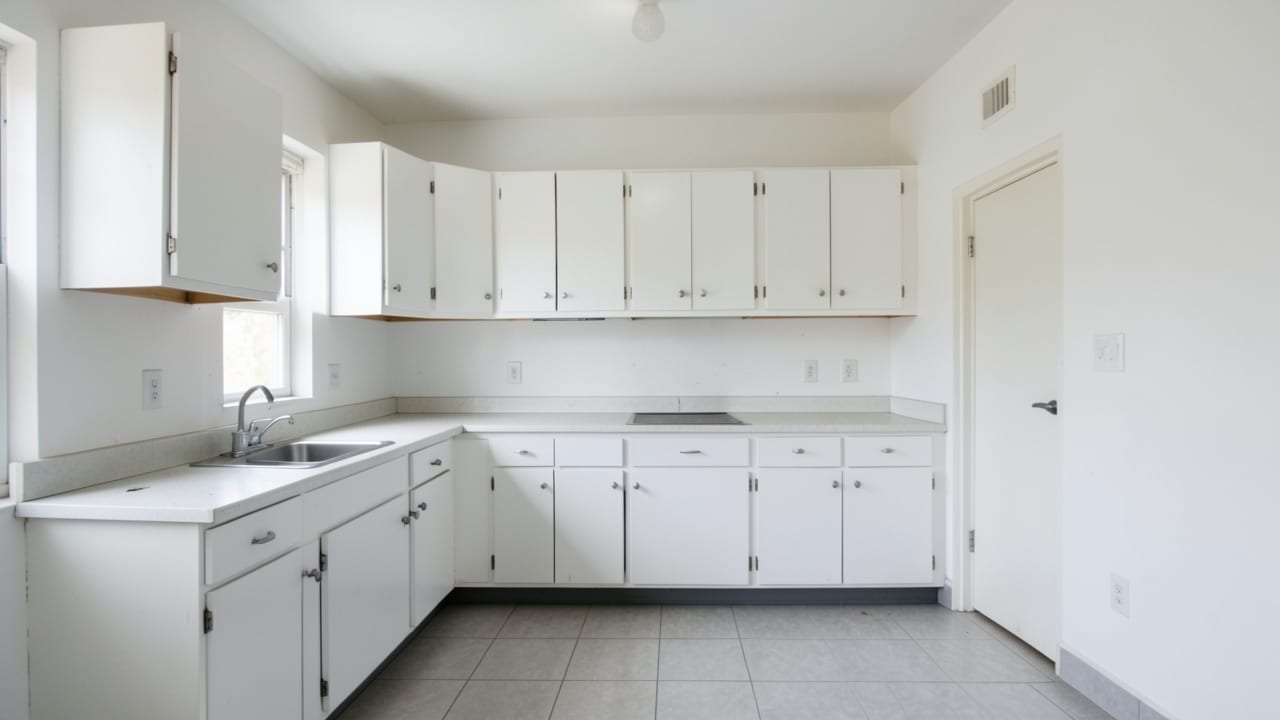
Rental Property Mold Cleanup in Cumming, GA
Professional mold removal and remediation for rental properties to restore safe living conditions.
Learn More
Hospital Mold Removal in Cumming, GA
Professional assessment and removal of mold in hospitals to ensure a safe, healthy environment.
Learn More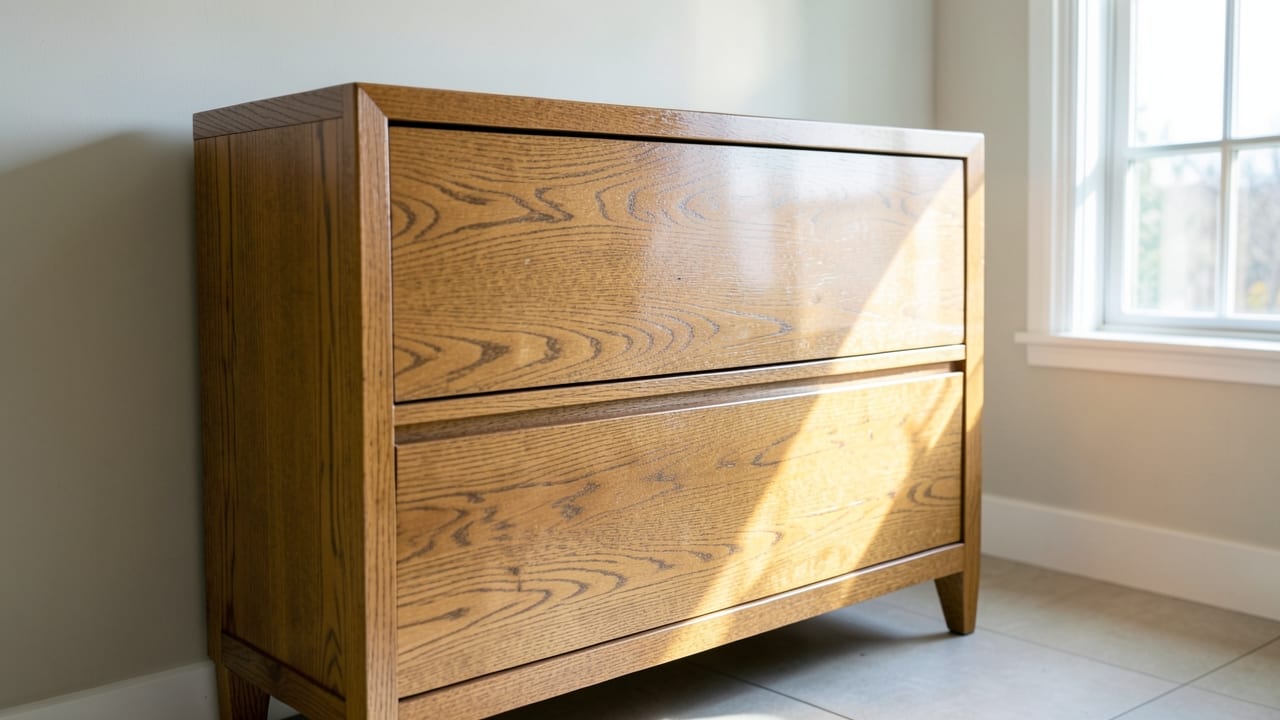
Wood Furniture Mold Remediation in Cumming, GA
Professional removal and treatment of mold from wood furniture to restore safety and appearance.
Learn More
Vinyl Flooring Mold Treatment in Cumming, GA
Professional mold treatment and removal for vinyl flooring in homes.
Learn MoreCommon Questions About Mold Remediation in Cumming
Everything you need to know about mold remediation services in Cumming
How much does Move-In Mold Assessment typically cost in Cumming, GA?
Why does Cumming, GA's humidity make mold a bigger risk than in drier regions?
How does mold remediation actually prevent the problem from coming back?
Can mold growing inside HVAC ductwork spread to the rest of a home?
Does mold mean the same thing as mildew?
Does homeowners insurance typically cover mold remediation?
Need Mold Remediation in Cumming?
Connect with local providers in Cumming for a detailed quote.
⏰ We answer your call • Serving all of Cumming and surrounding areas