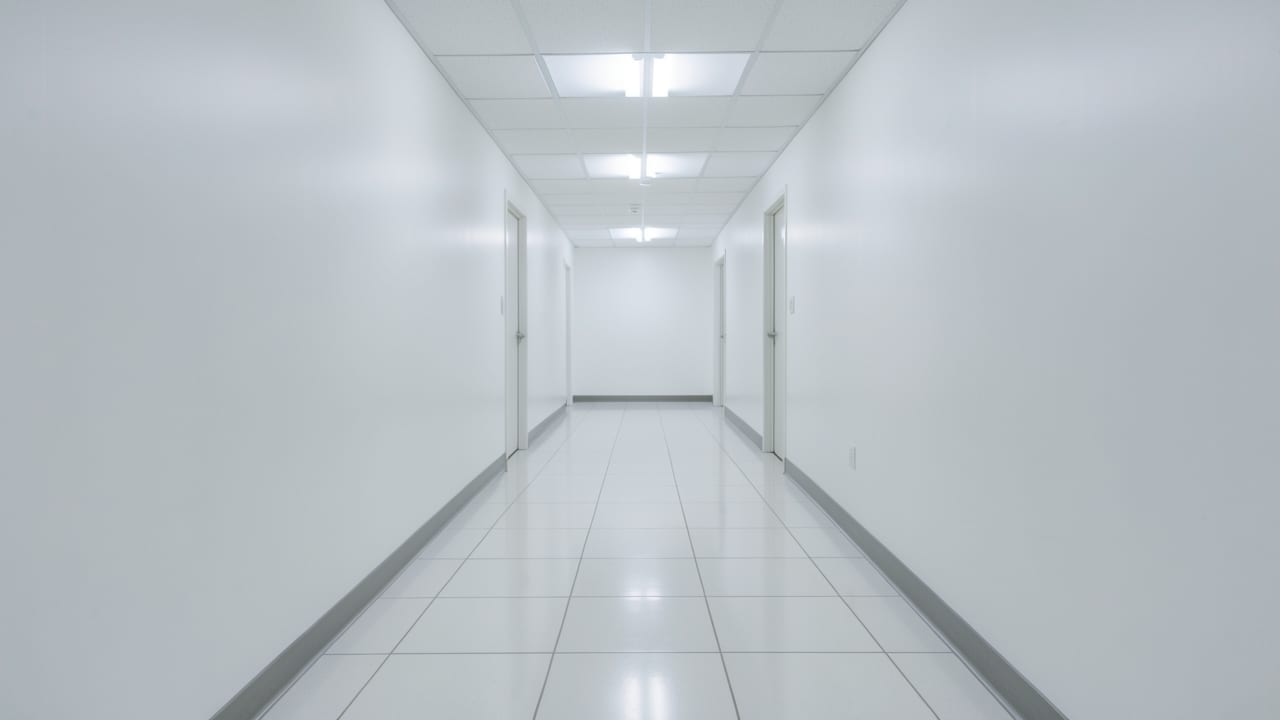
Hospital Mold Removal
Professional assessment and removal of mold in hospitals to ensure a safe, healthy environment.
In Cumming, GA, hospital-grade mold removal addresses severe mold growth in homes using strict medical-facility containment and remediation protocols. Unlike standard cleanup, this approach seals off affected areas, removes contaminated materials, and uses HEPA filtration to prevent spores from spreading during the process.
It’s designed for cases where mold has spread beyond isolated patches or keeps returning after basic cleaning.
We also handle Move-In Mold Assessment and Post-Remediation Sealing for Cumming properties.
When to call for hospital mold removal
Mold covering more than a small, isolated patch—typically over 25 square feet—often requires professional remediation. If growth keeps returning after cleaning or you notice a musty smell with no visible mold, hidden moisture or ductwork contamination may be the issue.
Rooms that stay damp, like windowless bathrooms or basements, are also high-risk areas for persistent mold.
A strong musty odor when your HVAC runs can mean spores are traveling through ducts, spreading mold throughout your home. Without proper containment and HEPA filtration, disturbing mold in these cases can worsen the problem by releasing spores into unaffected areas.
Signs You Need This Level of Remediation
- Mold covers more than 25 square feet in a single area
- Growth returns within weeks after cleaning
- Musty smell with no visible mold in the room
- HVAC system spreads a musty odor when running
- Mold appears in multiple rooms or hidden spaces (walls, ducts, crawl spaces)
What affects cost and timeline
The size of the affected area, the type of materials involved (e.g., drywall vs. tile), and whether hidden moisture sources need fixing all influence pricing. Containment requirements, such as sealing off rooms and using negative-air machines, add to the cost but are critical for preventing spore spread.
Clearance testing after remediation is also factored into the total.
Homes with complex layouts, like multi-story buildings or basements, may require additional time and equipment. The need for phased work—such as scheduling around your daily routine—can also impact pricing.
After remediation: preventing regrowth
Fixing the moisture source—whether a leak, condensation issue, or poor ventilation—is the most critical step to prevent mold from returning. Industrial dehumidifiers and air movers dry structural materials, but stagnant air in closets or basements can still harbor moisture.
Installing a small fan or dehumidifier in persistently damp rooms helps maintain dry conditions long-term.
Check humidity levels in the treated area periodically during the first year. Outdoor factors like soil grading or downspout placement can also reintroduce moisture, so inspect these areas if mold reappears.
Monitor humidity in the treated room for the first year. Use a fan or dehumidifier in damp spaces. Inspect for new leaks or outdoor moisture sources.
How hospital mold removal works
- 1Containment Setup
Plastic sheeting and negative-air machines seal off the affected area to prevent spores from spreading during removal. All doors and vents are blocked, and air is pulled out of the containment zone to keep spores inside.
- 2Material Removal or Cleaning
Porous materials like drywall or insulation are cut out and bagged, while non-porous surfaces like tile or framing are scrubbed and treated. This step ensures mold isn’t just moved around but fully removed.
- 3HEPA Filtration and Cleanup
HEPA air scrubbers run continuously to capture airborne spores, and surfaces are vacuumed with HEPA-filtered equipment. Standard vacuums or non-HEPA filters can recirculate spores, worsening contamination.
- 4Structural Drying
Industrial dehumidifiers and air movers dry framing and subfloors to normal moisture levels. Mold regrows on damp materials, so thorough drying is essential before closing the space back up.
- 5Clearance Testing
An independent lab tests air or surfaces to confirm spore counts are back to normal levels. This step verifies the remediation was effective before containment is removed.
Frequently asked questions
Can I clean small mold patches myself, or should I call for professional removal?
Small, isolated patches (under 25 square feet) can often be cleaned with bleach or vinegar, but if mold keeps returning or spreads, professional remediation is safer. Hidden growth or HVAC contamination requires specialized equipment to prevent further spread.
How long does the containment process take?
Containment time varies by the size of the affected area and complexity, but it typically lasts 1–3 days. The goal is to complete removal and drying before the space is reopened to minimize disruption.
Will my home’s humidity levels need to be adjusted after remediation?
Yes, maintaining proper humidity (ideally 30–50%) in the treated area is key to preventing regrowth. A dehumidifier or fan may be recommended for rooms that stay damp, like basements or windowless bathrooms.
Do I need to be home during the remediation process?
You can typically schedule work around your routine, but containment may require sealing off rooms. Discuss your availability with the remediation team to plan the best timing.
Where Cumming sits, and what the Census lists nearby
Cumming sits in Georgia, and the closest places listed in the U.S. Census Gazetteer are Sugar Hill (10.1 miles southeast), Buford (10.3 miles southeast), Rest Haven (10.3 miles southeast), Milton (11.2 miles west). Within 25 miles of Cumming the same source lists 38 distinct incorporated places and census-designated places.
Those figures matter for hospital mold removal because they are straight-line distances between Census coordinate points: road mileage between Cumming and Sugar Hill runs longer than the 10.1 miles shown, which is why quotes for the same job differ between towns that look close together on a map.
Source: U.S. Census Bureau Gazetteer.
See Duluth, GA for more, or browse every option available in Cumming by category for our complete lineup.
Ready to get started?
Talk to a local mold remediation pro in Cumming — get a written quote.
Other Mold Remediation Services in Cumming
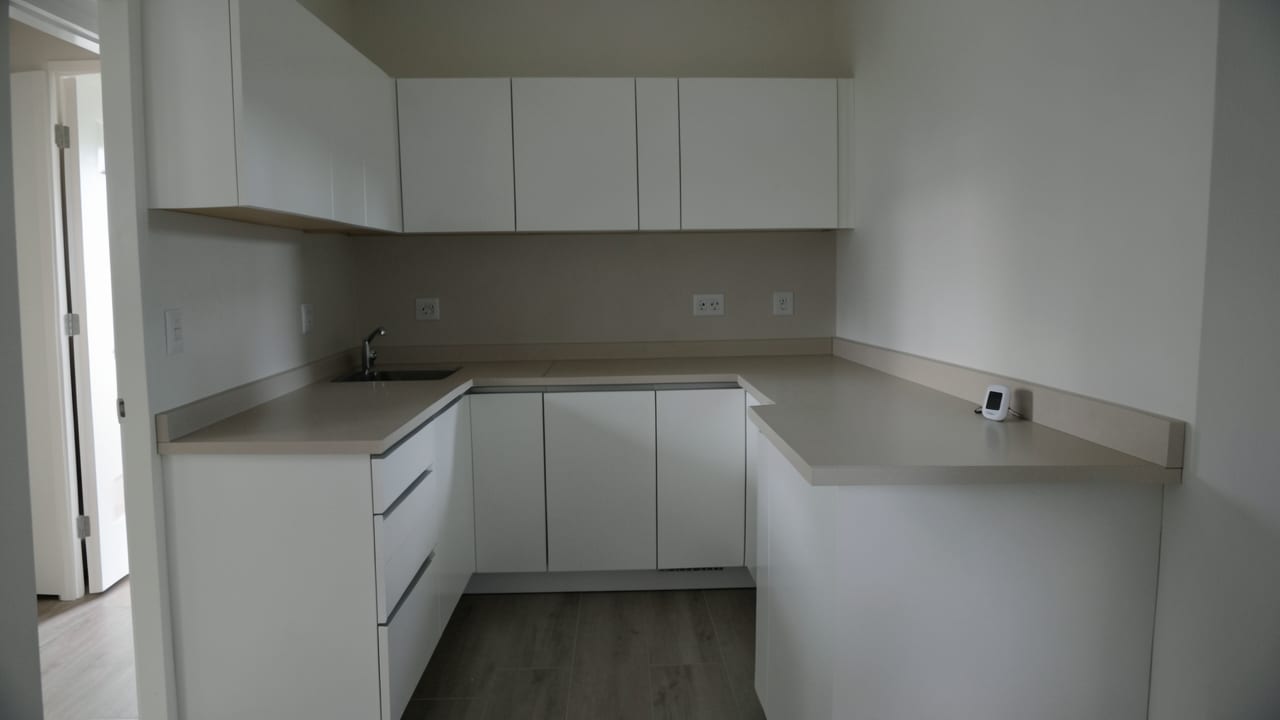
Move-In Mold Assessment in Cumming, GA
Professional inspection and assessment of mold presence before moving into a property.
Learn More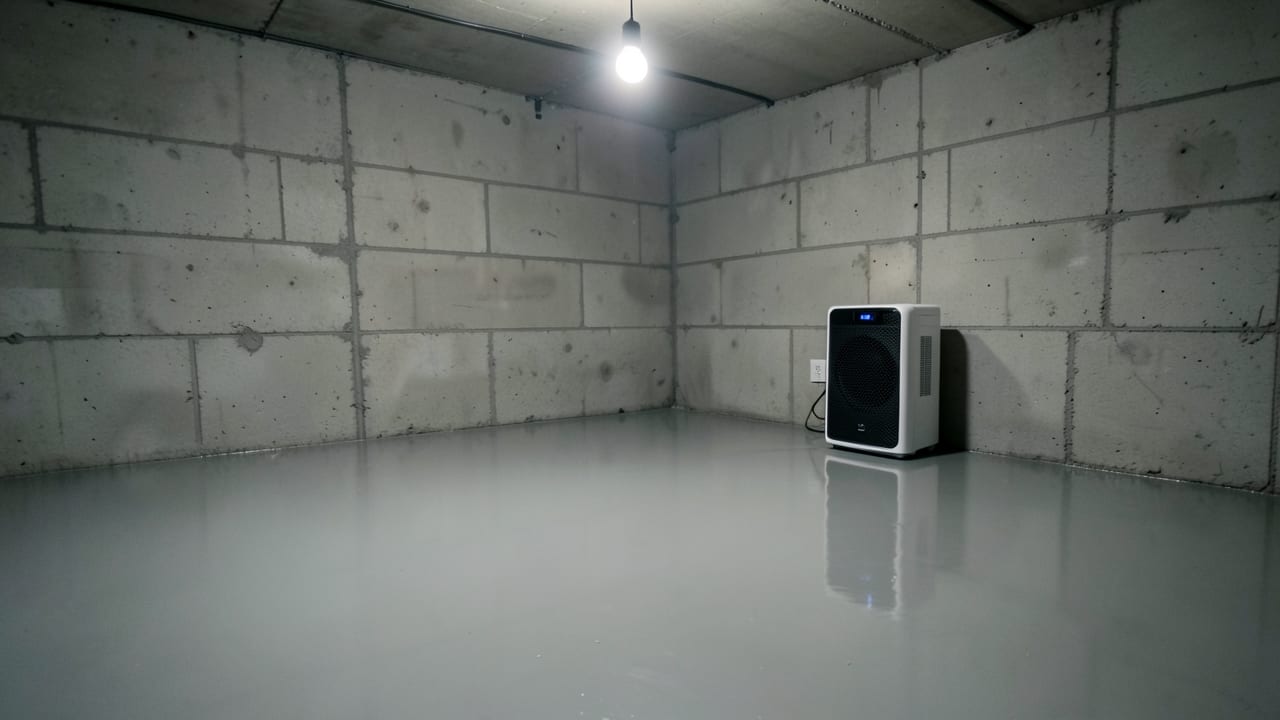
Post-Remediation Sealing in Cumming, GA
Applying protective sealants to surfaces after mold remediation to prevent future growth.
Learn More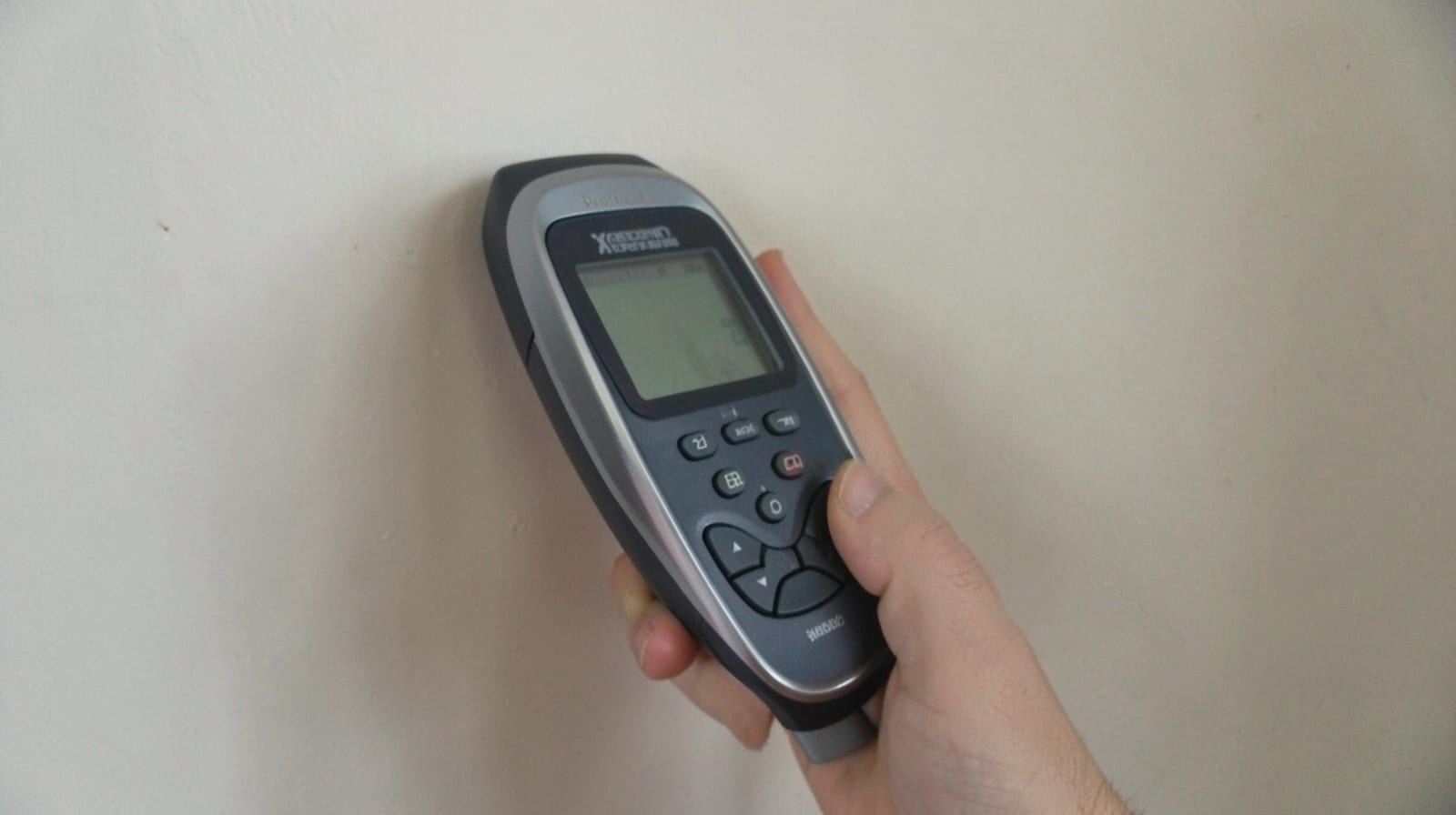
Mold Inspection in Cumming, GA
Mold inspection in Cumming, GA — a visual and moisture-meter assessment that finds the source of growth, not just the visible spot on the wall.
Learn More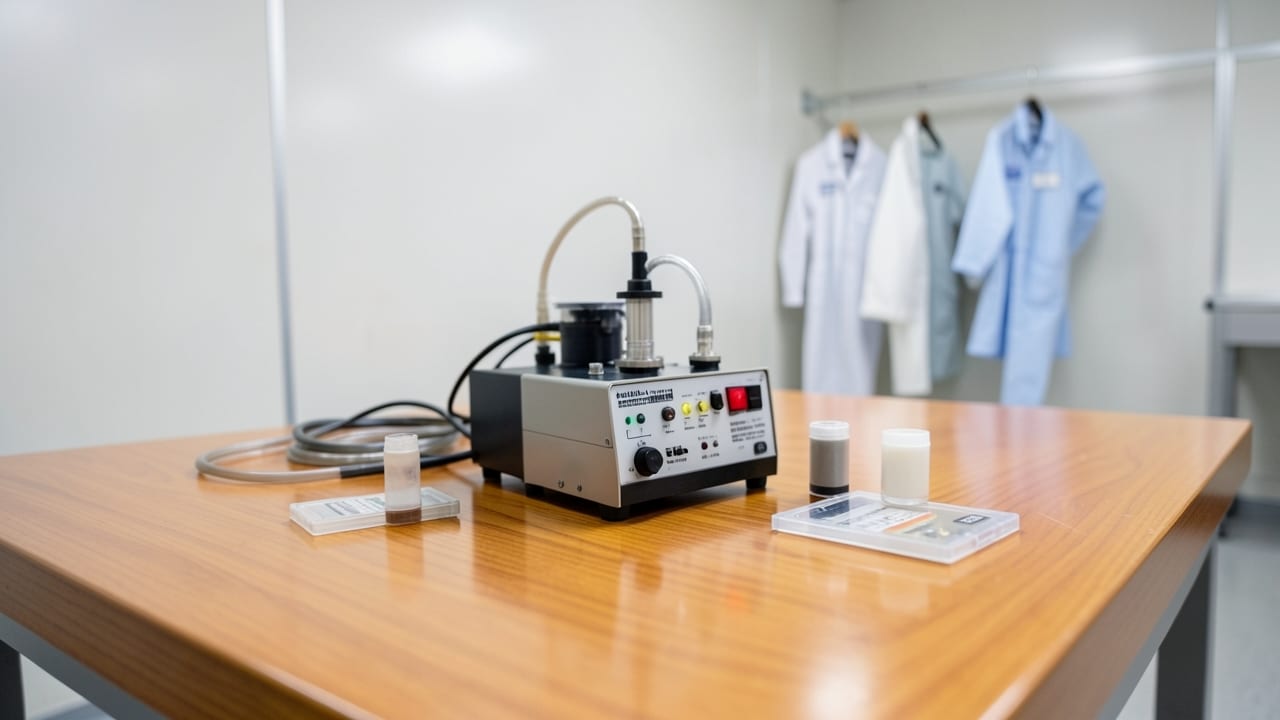
Mold Testing & Air Quality Testing in Cumming, GA
Mold and indoor air quality testing in Cumming, GA — lab-analyzed air and surface samples confirm what's actually growing and whether it's airborne.
Learn More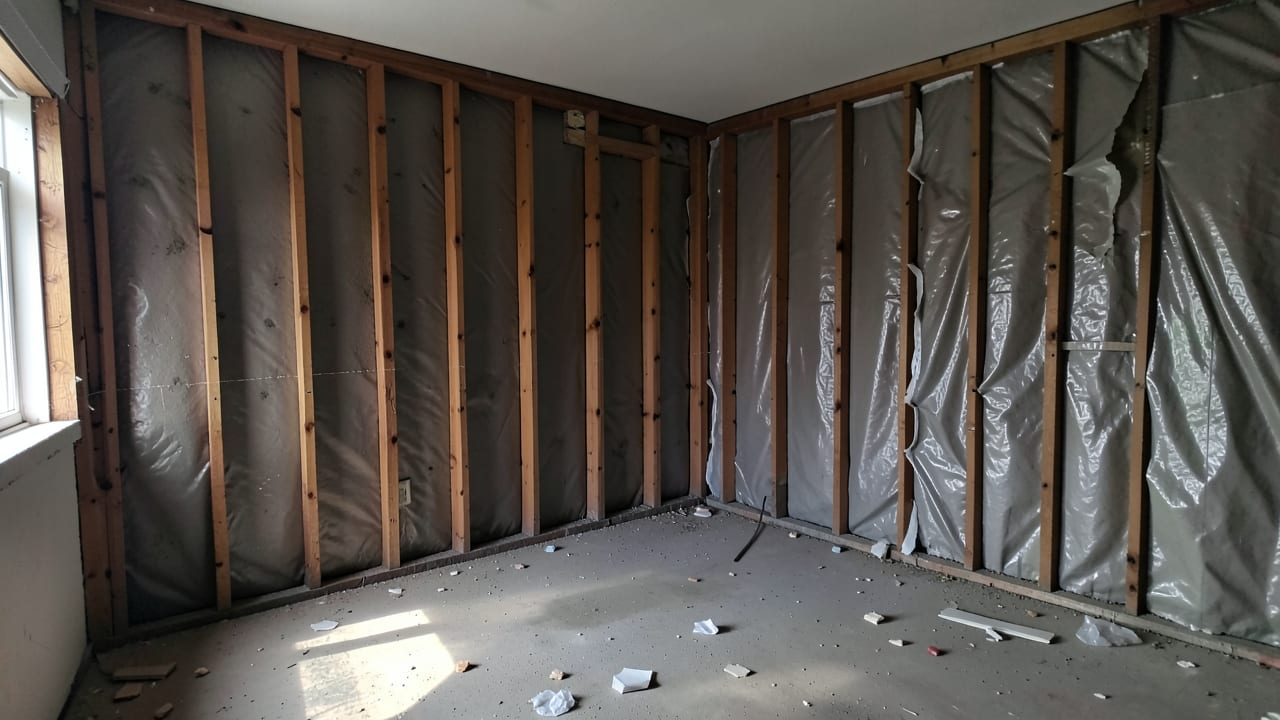
Mold Removal & Remediation in Cumming, GA
Mold removal and remediation in Cumming, GA — containment, HEPA filtration, and removal of affected material following industry (IICRC S520) protocol.
Learn More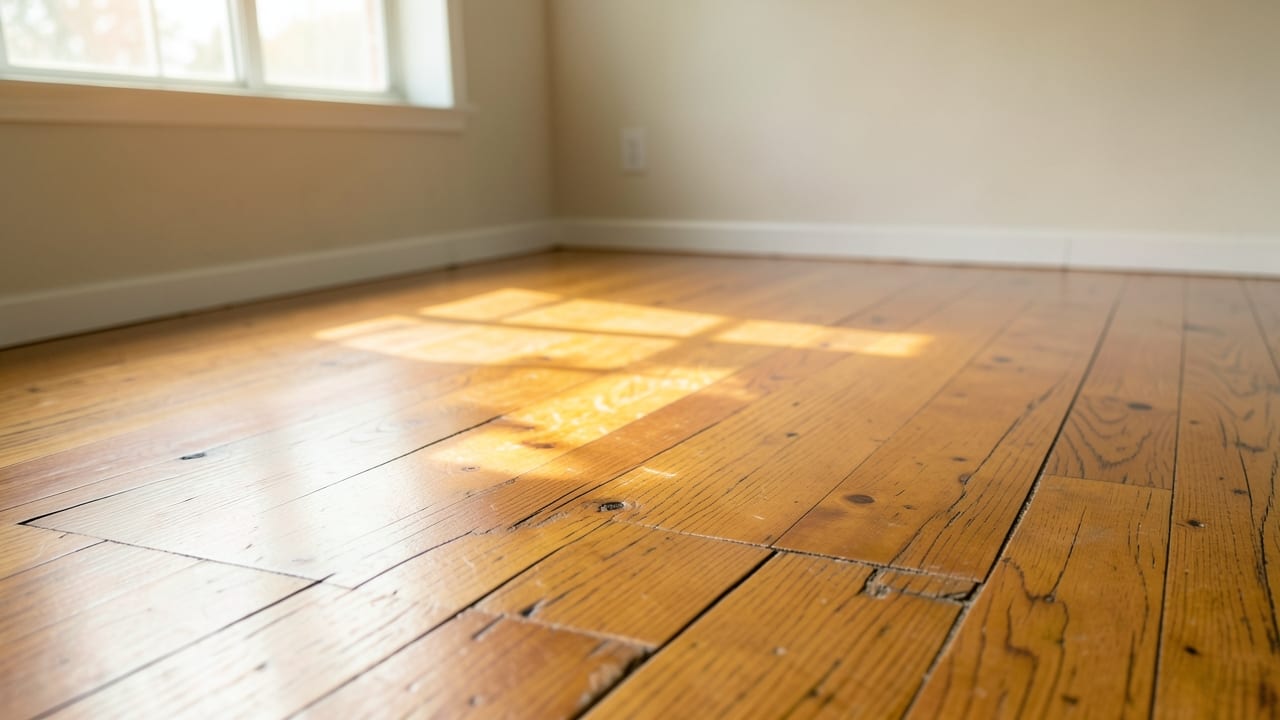
Water Damage Restoration in Cumming, GA
Water damage restoration in Cumming, GA — extraction and structural drying to stop mold growth before it starts, following a leak, storm, or flood.
Learn MoreCommon Questions About Mold Remediation in Cumming
Everything you need to know about mold remediation services in Cumming
How much does Hospital Mold Removal typically cost in Cumming, GA?
Why does Cumming, GA's humidity make mold a bigger risk than in drier regions?
Is a final clearance test part of a typical mold remediation job?
How does mold remediation actually prevent the problem from coming back?
Can mold growing inside HVAC ductwork spread to the rest of a home?
Does mold mean the same thing as mildew?
Need Mold Remediation in Cumming?
Connect with local providers in Cumming for a detailed quote.
⏰ We answer your call • Serving all of Cumming and surrounding areas