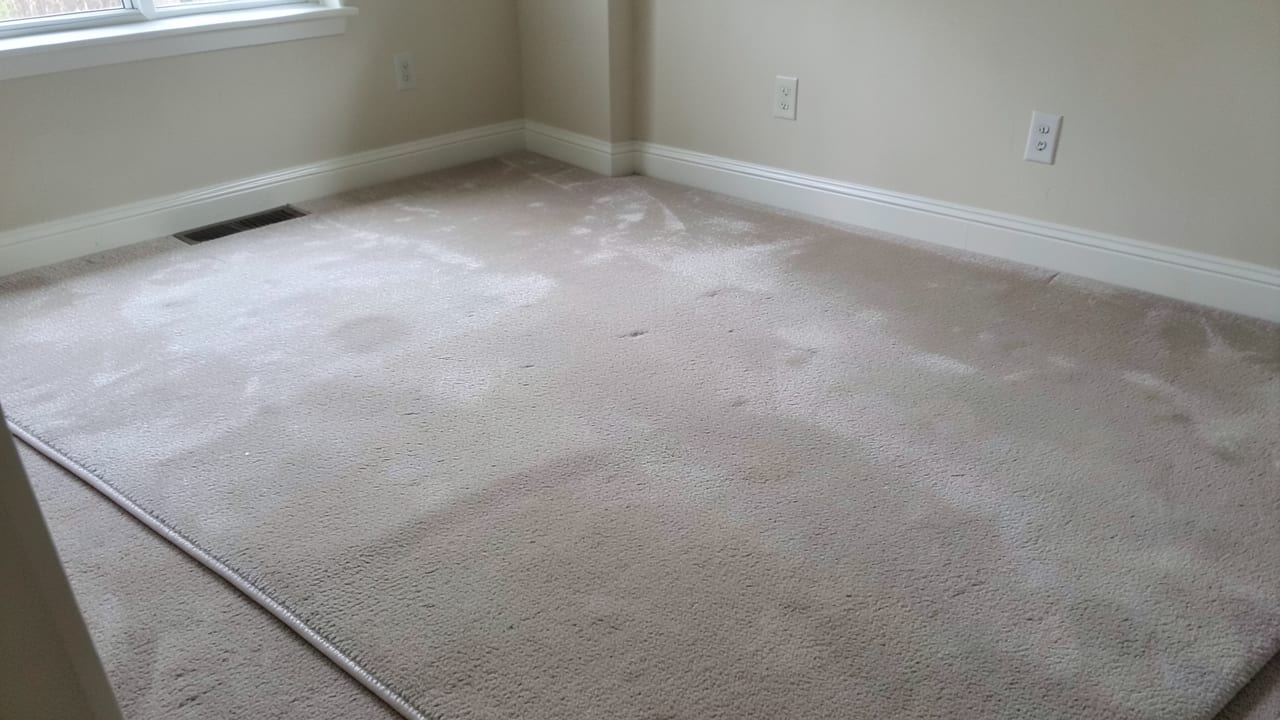
Carpet Mold Treatment
Professional assessment and removal of mold growth from carpets to restore a safe indoor environment.
Carpet mold treatment in Cumming, GA addresses hidden mold growth in carpets and padding, often caused by moisture or poor ventilation. Without proper removal, spores can spread through your home, posing health risks.
Professional remediation follows strict containment and testing protocols to safely eliminate mold and prevent recurrence—critical in humid climates like Georgia’s.
We also handle Restaurant Mold Remediation and Clinic Mold Remediation for Cumming properties.
When carpet mold treatment is needed
Carpet mold often starts small but spreads quickly in damp environments. Look for visible black, green, or brown spots, a musty odor that worsens when HVAC runs, or recurring mold after cleaning.
In Cumming’s humid climate, hidden moisture—from leaks, high humidity, or poor airflow—can fuel growth even if no stains appear. If mold covers more than a small patch (about 25 square feet) or keeps returning, professional treatment is the safest option.
Signs You Need Carpet Mold Treatment
- Visible mold stains (black, green, or brown) on carpets or padding
- A musty smell that gets stronger when the HVAC system turns on
- Mold returning in the same spot after cleaning attempts
- Damp or water-damaged areas near the carpet (e.g., under sinks, near windows)
- High humidity (above 60% relative humidity) in the affected room
What affects cost and timeline
Pricing for carpet mold treatment in Cumming depends on the size of the affected area, the extent of mold growth, and whether hidden moisture sources need addressing. Black mold typically costs 15–25% more than surface mold due to stricter containment and disposal requirements.
Jobs usually take 1–3 days, including inspection, removal, drying, and clearance testing. Containment, HEPA filtration, and post-treatment moisture checks add time and cost but are essential to prevent regrowth.
What to expect during remediation
Professional carpet mold treatment involves sealing the work area to contain spores, removing contaminated materials, and drying the structure to prevent regrowth. HEPA air scrubbers run continuously to capture airborne spores, and independent clearance testing confirms the job is complete.
Skipping these steps can leave hidden mold or spread spores to other parts of your home. In Georgia, no state license is required for standalone mold removal, but proper containment and testing are critical for safety.
Using standard shop vacuums or non-HEPA filters recirculates spores instead of removing them. Skipping containment or clearance testing can leave mold active or spread it unintentionally. Fixing the moisture source (leaks, humidity, poor airflow) is just as important as removing the mold itself—otherwise, regrowth is likely.
How carpet mold treatment works
Professional remediation follows strict steps to safely remove mold and prevent spread.
- 1Inspection and Containment
A technician inspects the carpet and padding for mold, then seals the work area with plastic sheeting and negative-air machines to trap spores during removal.
- 2Removal of Contaminated Materials
Infested carpet padding and any porous materials (like drywall) are cut out and bagged inside containment. Non-porous surfaces (tile, framing) are cleaned and treated instead.
- 3HEPA Filtration and Drying
HEPA air scrubbers run continuously to capture airborne spores, while industrial dehumidifiers and air movers dry the structure to prevent moisture-related regrowth.
- 4Clearance Testing
An independent lab tests air or surfaces post-remediation to confirm spore levels are back to normal before containment is removed.
Frequently asked questions
Can I clean carpet mold myself, or should I hire a professional?
Small, isolated patches (under 25 square feet) can sometimes be cleaned with vinegar or a bleach solution, but professional treatment is recommended for larger areas or hidden mold. DIY methods often miss spores deep in padding or framing, leading to regrowth. In humid climates like Cumming’s, proper containment and testing are critical to prevent spread.
How do I know if my carpet mold is black mold?
Black mold appears as dark greenish-black spots, often fuzzy or slimy in texture. It thrives in damp areas and has a strong musty odor. While lab testing can confirm the species, visual inspection and location (e.g., near leaks or high-humidity zones) are strong indicators. Black mold typically requires stricter containment and disposal protocols than surface mold.
Will my insurance cover carpet mold treatment?
Some homeowners’ policies cover mold damage if caused by sudden events like pipe bursts, but many exclude gradual issues (e.g., poor ventilation or long-term leaks). Check your policy or contact your insurer before proceeding—documenting the moisture source (photos, repair receipts) strengthens a claim. Treatment costs are often higher for black mold, which may affect coverage limits.
How can I prevent mold from coming back after treatment?
Fix the moisture source (leaks, humidity, or airflow issues) first—without this, mold will regrow. Use dehumidifiers in damp rooms (like basements or windowless bathrooms) and ensure proper ventilation. Monitor humidity levels (keep them below 60%) and check for dampness periodically, especially in the first year post-treatment.
Where Cumming sits, and what the Census lists nearby
Cumming sits in Georgia, and the closest places listed in the U.S. Census Gazetteer are Sugar Hill (10.1 miles southeast), Buford (10.3 miles southeast), Rest Haven (10.3 miles southeast), Milton (11.2 miles west). Within 25 miles of Cumming the same source lists 38 distinct incorporated places and census-designated places.
Those figures matter for carpet mold treatment because they are straight-line distances between Census coordinate points: road mileage between Cumming and Sugar Hill runs longer than the 10.1 miles shown, which is why quotes for the same job differ between towns that look close together on a map.
Source: U.S. Census Bureau Gazetteer.
See Chestatee, GA for more, or discover our full crew's Cumming services in one place for our complete lineup.
Ready to get started?
Talk to a local mold remediation pro in Cumming — get a written quote.
Other Mold Remediation Services in Cumming
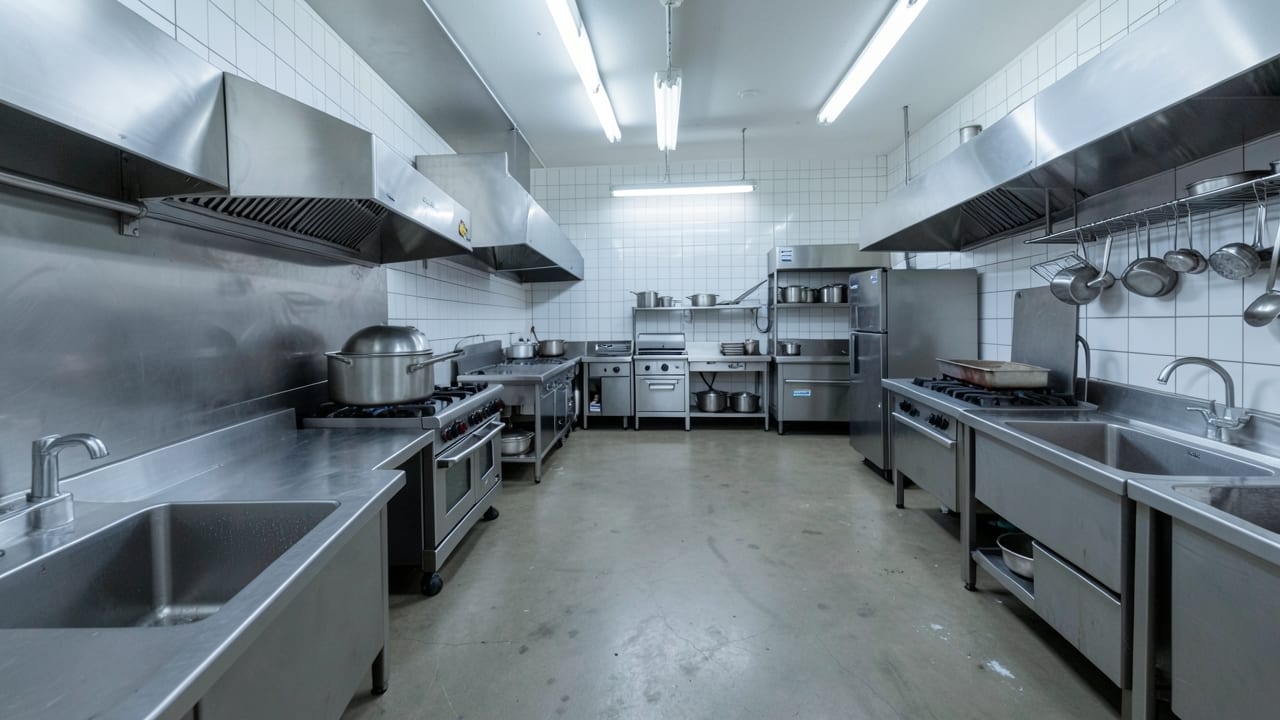
Restaurant Mold Remediation in Cumming, GA
Professional mold removal and remediation for restaurant spaces to ensure safety and compliance.
Learn More
Clinic Mold Remediation in Cumming, GA
Professional mold removal and remediation to restore safe, healthy indoor spaces.
Learn More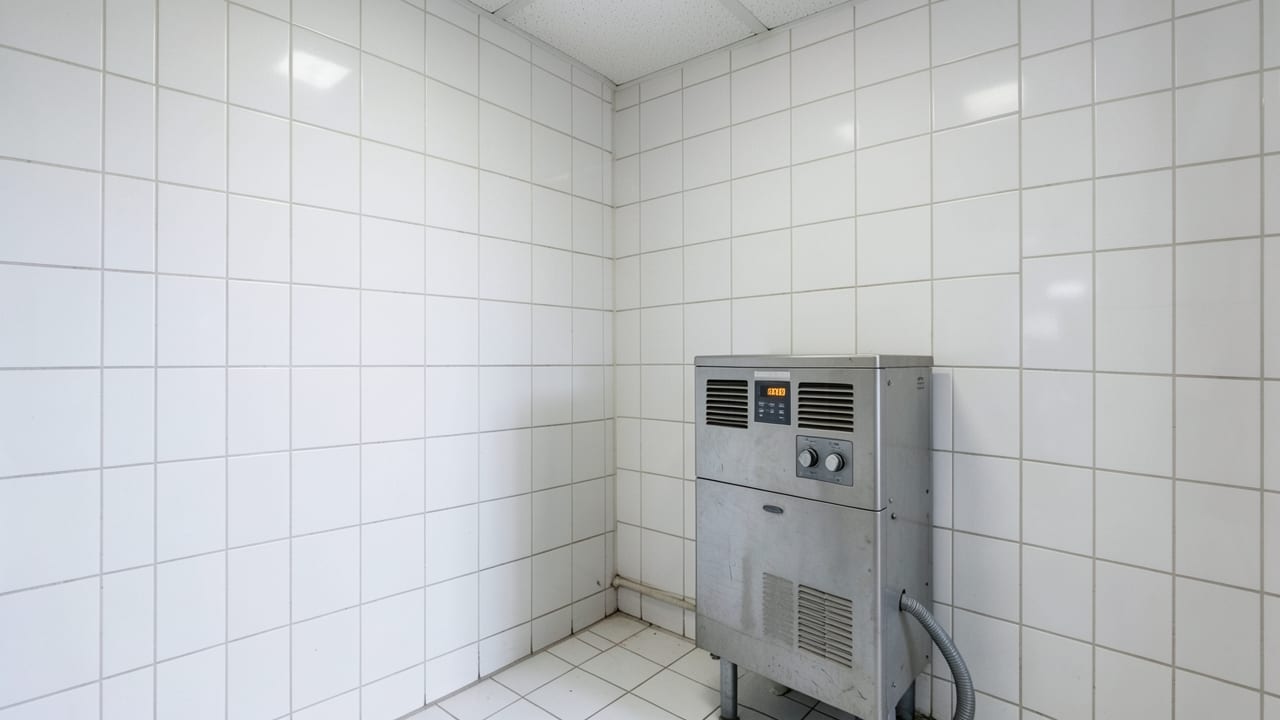
Hotel Mold Remediation in Cumming, GA
Professional removal and treatment of mold growth in hotel properties to restore safe, clean environments.
Learn More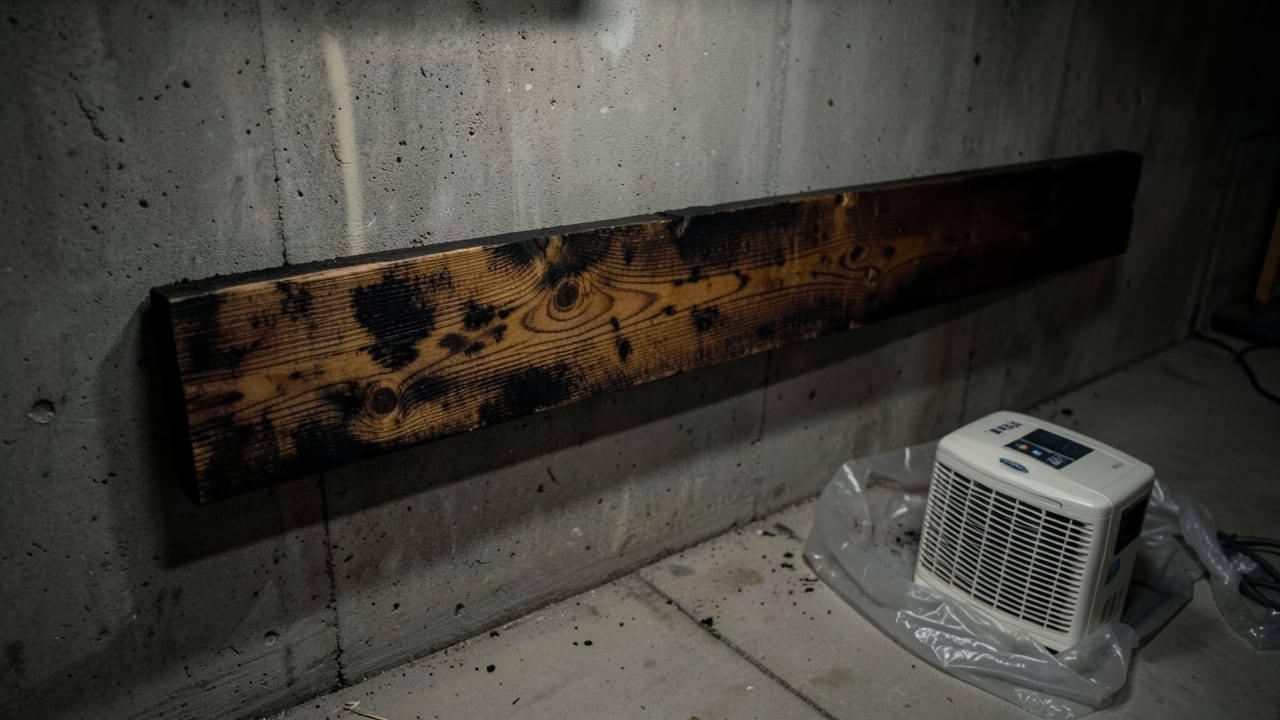
Fire Smoke Mold Remediation in Cumming, GA
Professional cleanup and restoration of fire, smoke, and mold damage in homes.
Learn More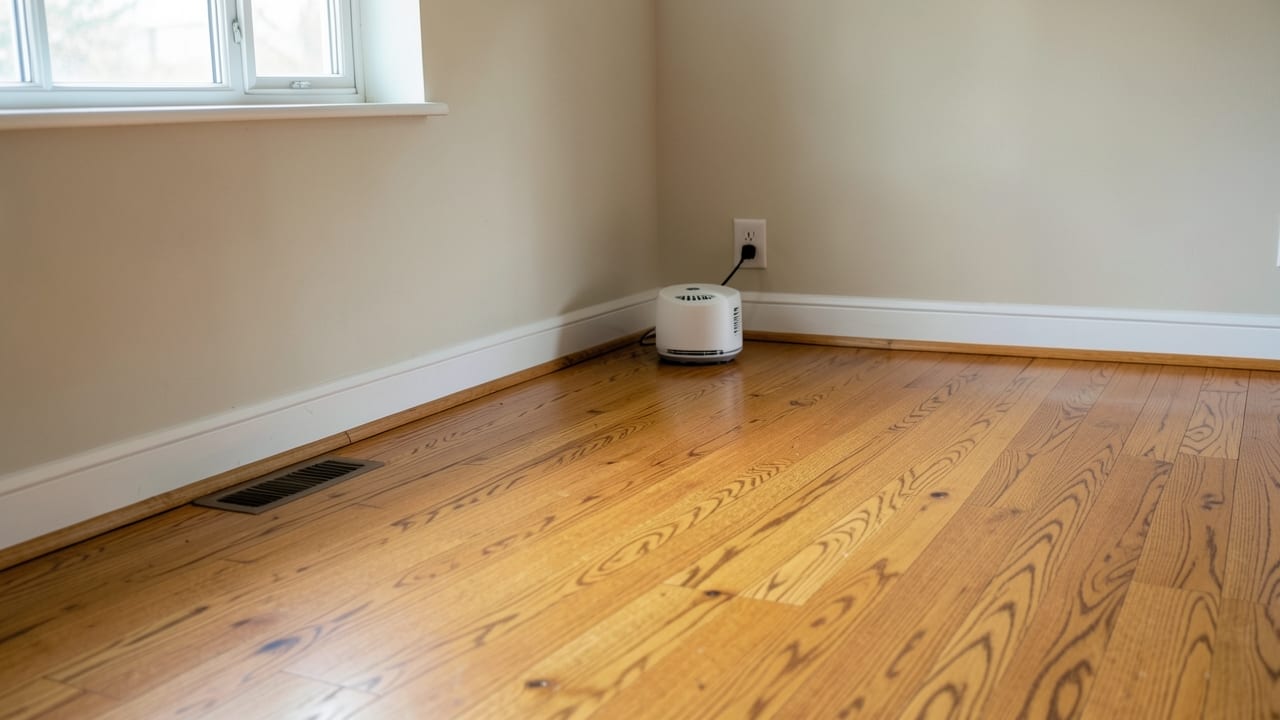
Pet Urine Mold Treatment in Cumming, GA
Professional removal of mold caused by pet urine in homes, including assessment and treatment.
Learn More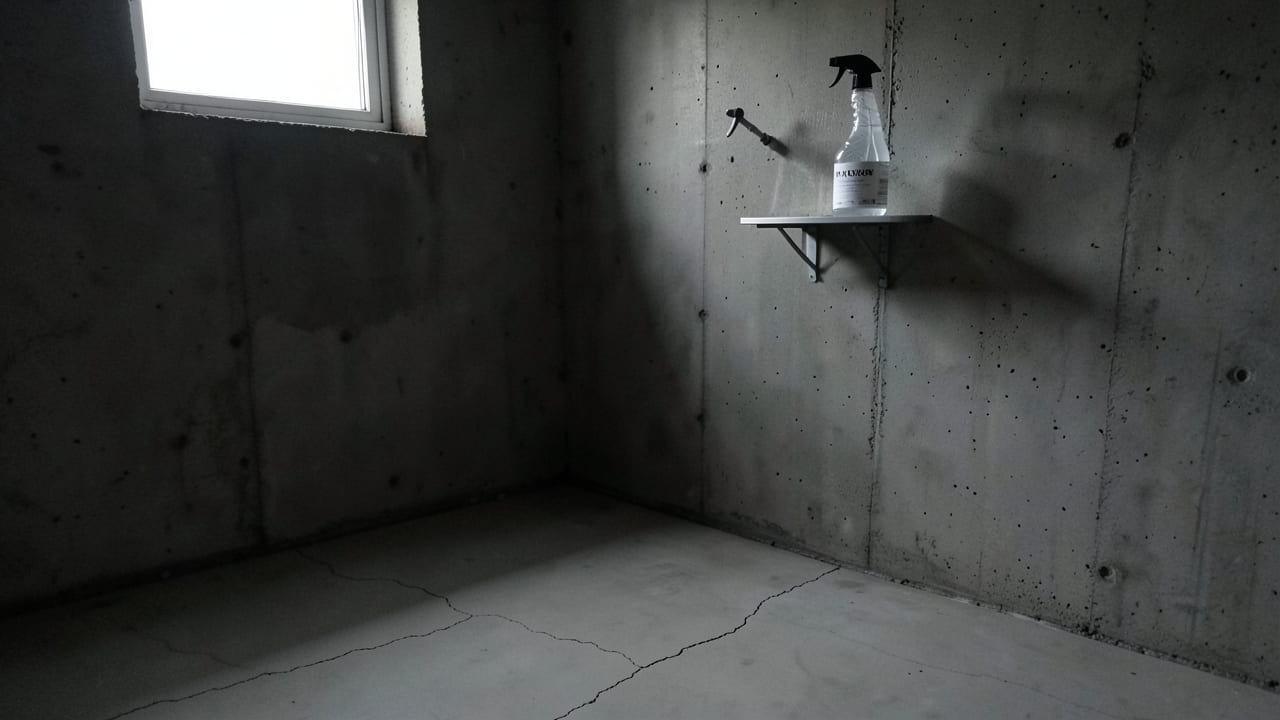
Pest Infestation Mold Remediation in Cumming, GA
Professional mold removal and remediation for pest-related infestations in homes.
Learn MoreCommon Questions About Mold Remediation in Cumming
Everything you need to know about mold remediation services in Cumming
How much does Carpet Mold Treatment typically cost in Cumming, GA?
Why does Cumming, GA's humidity make mold a bigger risk than in drier regions?
How does mold remediation actually prevent the problem from coming back?
Can mold growing inside HVAC ductwork spread to the rest of a home?
Does mold mean the same thing as mildew?
Does homeowners insurance typically cover mold remediation?
Need Mold Remediation in Cumming?
Connect with local providers in Cumming for a detailed quote.
⏰ We answer your call • Serving all of Cumming and surrounding areas